


Get Inaugral Discount of 10% Shop Now

The Millet Mission
The Millet Mission
The Millet Mission
The Millet Mission
The Millet Mission
Wellness

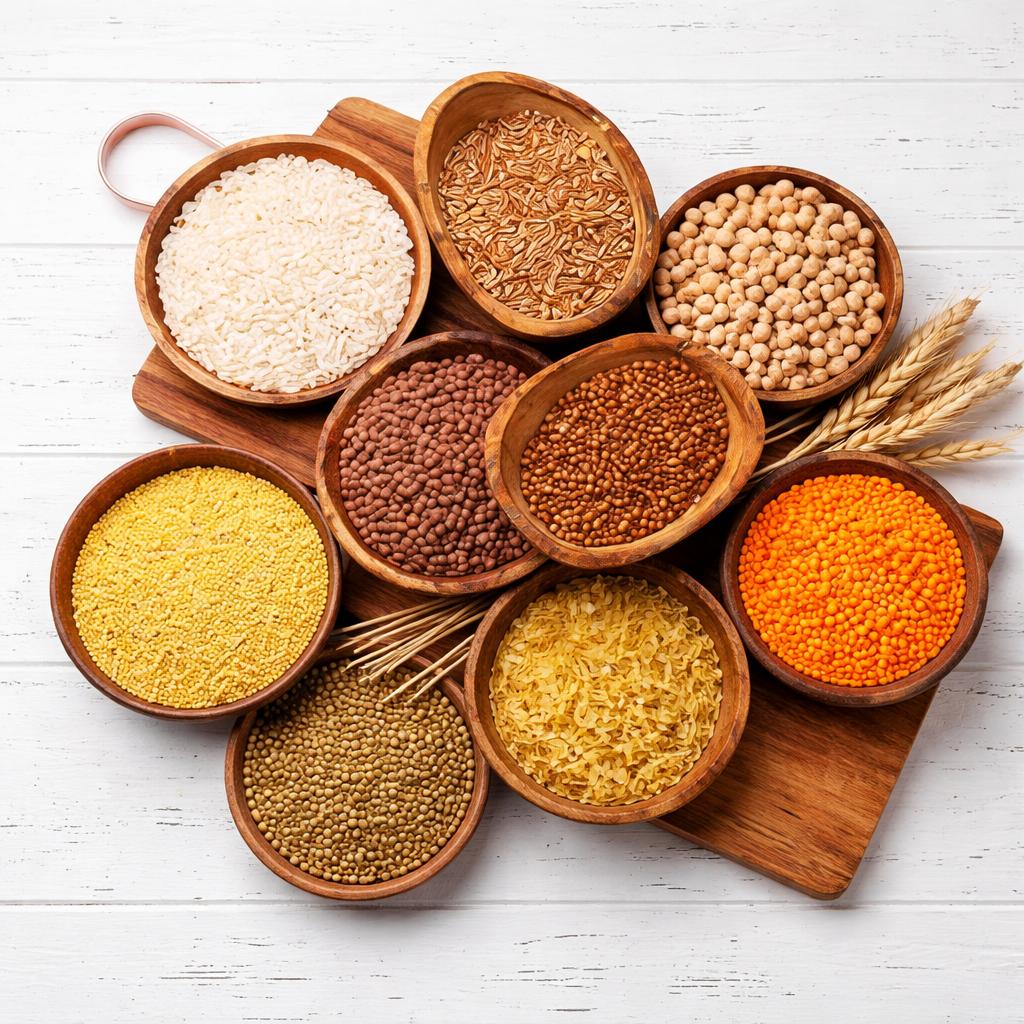
The Millet Mission: The Grains We Left Behind… And Why They're Returning Again

There was a time when millets were not called "superfoods." They were simply food. Our grandparents ate them daily without reading nutrition labels, calorie charts, or wellness blogs. Bajra rotis in winters, ragi preparations in South India, jowar in rural households, millet porridges, local recipes, handmade snacks — these grains were naturally woven into everyday life.

Millets were not a trend. They were tradition. They were survival. They were nutrition.

But somewhere between modernization, polished rice, refined flour, fast food culture, and changing lifestyles… these ancient grains slowly disappeared from our plates.

Today, however, the world is bringing them back. And this return is not nostalgia. It is necessity.

When Food Was Simpler

Before supermarkets, processed snacks, instant noodles, and ultra-refined packaged foods became part of daily life, people mostly consumed locally grown grains.

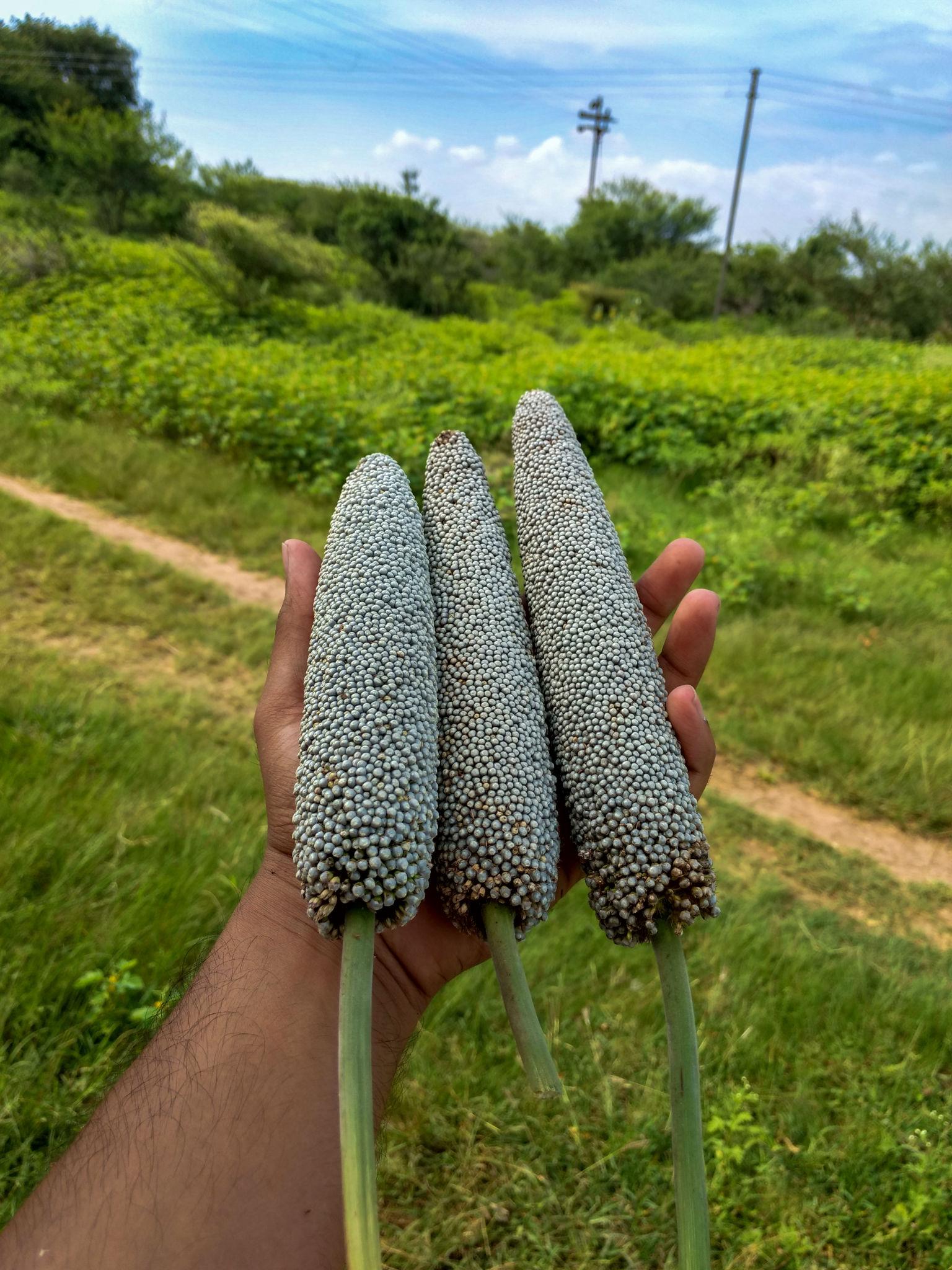
Every region had its own food culture. In dry regions, farmers cultivated bajra. In some areas, jowar became the staple. Ragi was deeply connected to traditional South Indian diets. Small millets were consumed in different forms across villages and farming communities.

People ate what naturally grew around them. And because these grains adapted to local climates, they required fewer resources and survived difficult conditions.

Back then, food was seasonal. Food was local. Food was connected to nature.

So What Changed?

The biggest shift came during the Green Revolution. India needed large-scale food production, and rice and wheat became the center of agricultural focus. Governments supported these crops heavily through irrigation systems, subsidies, procurement policies, and farming expansion.

Slowly: Rice became more accessible, Wheat products became commercially dominant, Refined flour entered urban kitchens, Packaged foods became aspirational, Traditional grains lost visibility.

Millets, unfortunately, began to be seen as "poor man's food." Urban lifestyles changed. Fast food replaced slow cooking. Convenience replaced traditional eating habits. And generation by generation, millets quietly disappeared.

The Problem With Modern Food Systems

At first, modernization looked convenient. But over time, its side effects became visible. Today the world is facing: Lifestyle-related health concerns, Nutritional imbalance, Highly processed diets, Excessive sugar consumption, Fiber deficiency, Environmental stress from agriculture, Water scarcity, Soil degradation.

Modern food systems became fast. But not always balanced. And this is exactly why people started looking back toward traditional grains again.

Why Millets Are Returning Today

Millets are returning because they solve problems that modern systems created. They are naturally resilient grains that require far less water compared to many conventional crops. They can grow in dry climates and difficult farming conditions where other crops struggle.

This makes them highly important in today's world where climate change and water scarcity are becoming serious global concerns.

But sustainability is only one side of the story. Millets are also naturally rich in: Fiber, Iron, Calcium, Magnesium, Plant-based nutrition, Essential minerals.

Modern wellness culture is now rediscovering what traditional food systems already understood centuries ago.

Millets Are No Longer "Old-Fashioned"

One of the biggest changes happening today is perception. Millets are no longer limited to traditional village kitchens.

Today they are being reintroduced through: Healthy breakfast products, Millet flours, Wellness snacks, Functional foods, Lifestyle nutrition products, Fitness-oriented meal plans.

Chefs, nutritionists, wellness brands, and health-conscious consumers are now exploring ways to make millets fit modern lifestyles.

This is not about rejecting modern life. It is about creating balance.

The Millet Mission Is Bigger Than Food

The Millet Mission is not simply about bringing back old grains. It represents something much larger.

It represents: Sustainable agriculture, Smarter food systems, Preventive wellness, Climate-conscious living, Better nutritional awareness, Reconnection with traditional wisdom.

For farmers, millets can support more climate-resilient farming. For consumers, they can become part of healthier eating habits. For the planet, they offer a more sustainable agricultural future.

Why This Matters Now More Than Ever

The modern world is moving fast. People are becoming more conscious about what they eat, where food comes from, and how it impacts both health and the environment.

The return of millets is happening because society is slowly realizing that the future of nutrition may not always lie in highly processed innovations.

Sometimes the future already existed in the past. And perhaps that is what makes millets so powerful. They are ancient. Yet perfectly relevant for the future.

Conclusion

Millets were once part of daily life. Then they disappeared quietly. Now they are returning with purpose. Not as a trend. Not as marketing. But as an answer to many modern challenges.

The Millet Mission is helping people reconnect with nutrition, sustainability, and a slower, more conscious relationship with food.

And maybe that is what we truly need today — not just better food, but a better understanding of food itself.


Read More
Marine Collagen Builder
Beauty & Wellness

Marine Collagen Builder for Beauty, Hormonal Wellness & Healthy Aging

Modern wellness is evolving beyond basic skincare and traditional supplements. Today's consumers are seeking holistic solutions that support beauty, inner balance, healthy aging, energy, and overall wellness together.

This is where advanced marine collagen formulations are redefining the future of nutraceutical wellness.

At VIMAURA Natural Solutions, we focus on creating wellness solutions powered by naturally derived & skin-friendly ingredients — thoughtfully designed to support beauty, confidence, and wellness from within.

What is Marine Collagen?

Marine collagen is a highly bioavailable protein derived from marine sources such as fish skin and scales. It is naturally rich in Type I collagen peptides, known for supporting: Skin elasticity & hydration, Hair nourishment, Nail strength, Bone & joint support, Healthy aging, Fitness recovery & wellness.

Hydrolysed marine collagen is easier for the body to absorb, making it one of the most preferred collagen forms in modern nutraceutical formulations.

Why Collagen Support Matters After 25

As the body ages, natural collagen production gradually declines. This may contribute to: Fine lines & early signs of aging, Dry or dull-looking skin, Reduced skin elasticity, Weak hair & brittle nails, Joint discomfort & stiffness.

Lifestyle stress, pollution, poor nutrition, and hormonal imbalance may further accelerate collagen loss.

This is why collagen-supporting wellness formulations are becoming an important part of preventive beauty and wellness routines.

Beyond Beauty: A Complete Wellness Approach

Today's wellness consumers want more than surface-level beauty products. They are looking for formulations that support: Beauty from within, Hormonal wellness, Bone & joint support, Stress balance, Daily nutritional wellness, Healthy aging support.

The VIMAURA Marine Collagen Builder formulation is thoughtfully developed with a premium blend of: Marine Collagen Peptides, Calcium Citrate Malate, Magnesium, Vitamin D3, Ashwagandha, Shatavari, Hyaluronic Acid, Glutathione, Antioxidant Botanical Extracts.

This combination helps create a complete Beauty + Wellness + Hormonal Support formulation.

Key Ingredients & Wellness Benefits

Marine Collagen Peptides: Supports skin hydration, elasticity, healthy aging, and joint wellness.

Hyaluronic Acid: Helps maintain skin moisture and supports a healthy-looking glow.

Vitamin C: Supports natural collagen synthesis and antioxidant protection.

Biotin: Supports healthy hair, skin, and nail nourishment.

Calcium Citrate Malate + Vitamin D3: Supports calcium absorption, bone density, and skeletal wellness.

Magnesium: Supports muscle relaxation, recovery, metabolism, and overall wellness.

Ashwagandha: Traditionally valued for stress management, vitality, and hormonal wellness support.

Shatavari: Known in Ayurveda for supporting women's wellness and inner balance.

Glutathione & Resveratrol: Powerful antioxidants that support healthy aging and wellness protection.

Natural Strawberry Flavour: Provides a refreshing and enjoyable taste profile for daily wellness routines.

Designed for Modern Lifestyle Wellness

The VIMAURA Marine Collagen Builder formulation is ideal for individuals looking for: Beauty-from-within support, Daily collagen supplementation, Hormonal wellness support, Healthy aging nutrition, Skin hydration & glow support, Bone & joint wellness support, Stress & recovery support.

Whether part of a beauty routine, wellness lifestyle, or fitness-focused regimen, collagen-based nutraceuticals are becoming a powerful addition to modern self-care.

Why Consumers Prefer Marine Collagen Formulations

Marine collagen continues to gain popularity because of its: High bioavailability, Fast absorption, Premium wellness positioning, Beauty & skin support benefits, Modern nutraceutical appeal.

As awareness around preventive healthcare and wellness grows, marine collagen products are expected to become one of the leading categories in beauty nutrition and wellness supplements.

The VIMAURA Philosophy

"We don't sell problems. We create solutions—with reason."

At VIMAURA Natural Solutions, every formulation is thoughtfully crafted with a focus on: Naturally derived & skin-friendly ingredients, Wellness-oriented innovation, Holistic beauty & lifestyle support, Premium nutraceutical positioning, Modern wellness science.

Our goal is to create formulations that support confidence, wellness, and long-term self-care from within.

Conclusion

Marine collagen is no longer just a beauty trend — it is becoming part of a larger wellness movement focused on healthy aging, inner balance, and preventive nutrition.

By combining collagen peptides with vitamins, minerals, adaptogens, and antioxidant botanicals, modern formulations can support beauty, wellness, and lifestyle health together.

The VIMAURA Marine Collagen Builder formulation represents a new generation of holistic nutraceutical wellness — where beauty, strength, balance, and confidence begin from within.

Read More
Why Healthy Living Is Becoming Important
Lifestyle

Why Healthy Living Is Becoming the Most Important Investment in Modern Life

There was a time when health was rarely discussed unless someone became sick. People followed natural routines without calling them "wellness habits." Meals were simpler, lifestyles were more active, sleep cycles were healthier, and daily life itself included movement, balance, and connection with nature.

Today, however, modern life looks very different. Convenience has increased, technology has advanced, and lifestyles have become faster than ever before. But somewhere in between deadlines, processed food, digital overload, irregular sleep, and constant stress, health slowly shifted from being natural… to something people now struggle to maintain.

And perhaps that is why healthy living is no longer viewed as just a personal choice. It is becoming a necessity.

The Modern Lifestyle Problem

Modern lifestyles are designed for speed. Food is instant. Work is continuous. Sleep is delayed. Stress is normalized. Movement is reduced.

People spend hours sitting in front of screens, eating highly processed foods, and following routines that disconnect the body from its natural rhythm.

At first, these habits seem manageable. But over time, their effects begin to appear quietly: low energy, poor sleep, mental exhaustion, lack of focus, unhealthy eating patterns, reduced physical activity.

The body adapts for some time. Eventually, however, it starts demanding balance again.

Health Is Not Only About the Body

One of the biggest misunderstandings about healthy living is that people often reduce it to appearance alone. But health is much deeper than physical fitness.

A healthy lifestyle influences: mental clarity, emotional stability, energy levels, productivity, sleep quality, long-term wellness, overall quality of life.

The way people eat, move, rest, and manage stress affects not only the body, but also the mind. This is why conversations around wellness today are becoming more holistic.

People are beginning to understand that true health is a combination of physical, mental, and emotional well-being together.

The Return to Simpler Habits

Interestingly, many modern wellness movements are not introducing completely new ideas. In many ways, they are bringing people back to older habits that existed naturally before fast-paced modern living took over.

Simple practices such as: eating balanced homemade meals, sleeping on time, walking regularly, spending time outdoors, reducing processed food, maintaining routine are once again being recognized as powerful foundations of health.

The modern world is slowly rediscovering the importance of balance.

Why Prevention Matters More Today

Healthcare systems across the world are increasingly emphasizing preventive wellness. The reason is simple: daily habits often shape long-term health outcomes.

People are beginning to realize that health is not built through occasional effort. It is built quietly through repeated everyday choices.

The food consumed daily. The amount of sleep received. The level of physical movement. The ability to manage stress.

Small habits repeated consistently over time create either wellness or imbalance. And perhaps that is why healthy living matters more today than ever before.

Food Has Changed — And So Have Eating Habits

One major shift in modern life has been the way food is consumed. Traditional meals made with seasonal ingredients and slower cooking methods have gradually been replaced by: ultra-processed foods, excessive sugar, refined ingredients, convenience-based eating.

While modern food systems improved accessibility, they also distanced many people from natural nutrition.

As awareness grows, more individuals are now moving back toward: whole foods, balanced nutrition, traditional eating patterns, mindful eating habits.

The focus is slowly shifting from simply eating more… to eating better.

Movement Is No Longer Built Into Daily Life

Earlier generations remained physically active naturally through daily routines. Modern life, however, often removes movement completely from the day.

Long office hours, screen-heavy work, and urban lifestyles have created highly sedentary routines. This is why intentional movement has become important.

Not necessarily extreme fitness routines — but simple consistent activity such as: walking, stretching, yoga, cycling, outdoor movement.

The human body was designed to move. When movement disappears, balance often disappears with it.

The Most Ignored Part of Health: Rest

In modern culture, exhaustion is often worn like an achievement. People celebrate being busy. Sleep becomes secondary. Rest feels unproductive.

But the body does not function well without recovery. Sleep supports: brain function, hormonal balance, emotional stability, physical recovery, energy restoration.

A healthy lifestyle is not only about activity. It is also about recovery.

Healthy Living Is Not Perfection

Perhaps one of the most important things to understand is that healthy living does not require perfection. It does not mean extreme diets. It does not mean unrealistic routines. It does not mean completely avoiding modern life.

Healthy living is simply the practice of creating more balance than imbalance.

Small improvements matter. Drinking more water. Sleeping earlier. Eating better meals. Walking more. Managing stress consciously.

Over time, these small actions create meaningful change.

Conclusion

The importance of healthy living is growing because modern life itself has become increasingly demanding.

People today are not only searching for longer lives. They are searching for better quality of life. More energy. Better balance. Mental clarity. Physical wellness. Emotional stability.

And perhaps the most important realization emerging today is this: Health is not something built overnight. It is something shaped quietly, every single day, through the way we choose to live.

Read More
Understanding the Ayurvedic Treatment Process
Ayurveda

Understanding the Ayurvedic Treatment Process: A Holistic Approach to Modern Wellness

In recent years, global wellness conversations have increasingly shifted toward preventive healthcare, lifestyle management, and holistic healing systems. As modern lifestyles continue to contribute to stress, sleep imbalance, digestive concerns, and long-term wellness challenges, traditional systems such as Ayurveda are once again gaining relevance across healthcare and wellness industries.

Ayurveda, one of the world's oldest traditional wellness sciences, offers a fundamentally different perspective on health. Rather than focusing solely on symptom management, Ayurveda emphasizes identifying underlying imbalance patterns and restoring harmony within the body, mind, and lifestyle.

This integrative philosophy is one of the primary reasons why Ayurvedic wellness practices continue to expand globally within preventive healthcare, nutraceutical, wellness tourism, and holistic lifestyle sectors.

What is Ayurveda?

Ayurveda is a traditional Indian system of wellness and healthcare that has been practiced for thousands of years. The term "Ayurveda" is derived from two Sanskrit words: Ayur meaning "life" and Veda meaning "science" or "knowledge".

Collectively, Ayurveda represents: "The Science of Life"

The Ayurvedic system focuses on maintaining balance between physiological, mental, emotional, and environmental factors that influence overall well-being.

Unlike highly standardized treatment approaches, Ayurveda traditionally considers every individual unique in terms of: body constitution, metabolism, digestion, energy balance, lifestyle patterns, environmental influence.

This personalized perspective forms the foundation of Ayurvedic treatment methodology.

The Core Principle Behind Ayurvedic Treatment

Ayurveda is based on the understanding that health is achieved through balance. According to Ayurvedic philosophy, the body is governed by three primary functional energies, commonly referred to as: Vata, Pitta, Kapha.

These energies influence different physiological and metabolic functions within the body. When these systems remain balanced, overall wellness is supported. However, prolonged lifestyle imbalance, stress, dietary irregularities, environmental factors, and poor daily routines may gradually disrupt this equilibrium.

The Ayurvedic treatment process therefore focuses on: identifying imbalance, understanding root causes, restoring internal harmony, supporting long-term wellness management.

The Ayurvedic Treatment Process

Ayurvedic wellness management is typically approached through multiple interconnected stages rather than isolated interventions.

1. Comprehensive Individual Assessment - The Ayurvedic process generally begins with a detailed evaluation of the individual's overall wellness profile. Assessment may include analysis of: dietary habits, digestion quality, sleep patterns, stress levels, physical constitution, lifestyle routines, environmental influences, emotional well-being.

The objective is not only to identify visible symptoms, but also to understand the underlying factors contributing to imbalance. This root-cause-oriented framework remains one of Ayurveda's most distinctive characteristics.

2. Lifestyle & Routine Optimization - Ayurveda places strong emphasis on the role of daily lifestyle patterns in maintaining wellness. Treatment recommendations may therefore include guidance related to: sleep hygiene, meal timing, daily routines, stress management, seasonal adaptation, physical activity, mental relaxation practices.

Ayurvedic philosophy considers disciplined routine management an essential component of preventive wellness.

3. Nutritional & Dietary Management - Nutrition forms a central pillar of Ayurvedic wellness systems. Ayurvedic dietary recommendations are generally individualized according to: body constitution, digestive strength, climate, age, wellness objectives, seasonal changes.

The dietary approach often prioritizes: freshly prepared meals, balanced digestion, seasonal ingredients, mindful eating habits, reduced dependency on heavily processed foods.

Rather than focusing on restrictive dieting, Ayurveda emphasizes nourishment, digestive efficiency, and metabolic balance.

4. Herbal & Botanical Support - Ayurveda incorporates a wide range of herbs, plant extracts, and traditional formulations designed to support different aspects of wellness. Commonly recognized Ayurvedic herbs include: Ashwagandha, Shatavari, Tulsi, Brahmi, Turmeric, Amla, Giloy.

These ingredients are traditionally selected based on individual wellness requirements and constitutional balance. Ayurvedic herbal support may be utilized through: powders, tablets, decoctions, oils, wellness tonics, nutraceutical formulations.

5. Detoxification & Rejuvenation Therapies - One of the most recognized aspects of Ayurveda involves cleansing and rejuvenation-focused wellness practices. These approaches are traditionally intended to: support metabolic balance, improve wellness recovery, encourage detoxification, restore physiological harmony.

Ayurvedic rejuvenation practices may include: herbal oil therapies, therapeutic massage, sweating therapies, guided cleansing routines, relaxation-based wellness techniques.

Such therapies are often integrated into broader wellness management programs.

6. Mental & Emotional Wellness Integration - Ayurveda recognizes the strong connection between mental and physical wellness. Stress, emotional fatigue, overstimulation, and irregular routines are considered important contributors to imbalance.

This is why Ayurvedic wellness often incorporates: mindfulness practices, breathing exercises, meditation, sleep support routines, nature-oriented wellness habits.

The system approaches wellness as a multidimensional concept involving both physiological and psychological balance.

Why Ayurveda Is Gaining Global Relevance

The growing popularity of Ayurveda globally is closely linked to changing consumer priorities. Modern consumers are increasingly seeking: preventive wellness systems, lifestyle-oriented healthcare, holistic wellness approaches, natural ingredient-based solutions, stress management support, long-term wellness strategies.

As a result, Ayurveda is now influencing multiple sectors including: wellness tourism, nutraceuticals, herbal healthcare, beauty & personal care, lifestyle wellness industries.

Ayurveda & the Future of Preventive Wellness

The future of healthcare is increasingly moving toward prevention rather than reactive management alone. Ayurveda aligns closely with this direction because it emphasizes: wellness maintenance, balanced living, personalized nutrition, lifestyle optimization, sustainable wellness practices.

This preventive philosophy continues to make Ayurveda highly relevant within modern wellness ecosystems.

Conclusion

The Ayurvedic treatment process represents far more than traditional herbal practices. It is a structured wellness philosophy focused on balance, lifestyle management, preventive care, and long-term well-being.

By integrating nutrition, lifestyle discipline, botanical support, detoxification practices, and mental wellness approaches, Ayurveda offers a holistic framework that continues to remain relevant in modern healthcare and wellness discussions.

As global interest in integrative wellness systems continues to grow, Ayurveda is increasingly recognized not only as a traditional healing science, but also as an important contributor to the future of preventive and holistic healthcare.

Read More
Understanding the 7 Chakras
Mindfulness

Understanding the 7 Chakras of the Human Body: The Ancient Energy System Explained

For thousands of years, ancient wellness traditions have explored the connection between the body, mind, emotions, and inner energy. Among the most recognized concepts within yogic and spiritual philosophy is the idea of the 7 Chakras — a system believed to represent the body's major energy centers.

Today, the concept of chakras has gained global attention in conversations around mindfulness, meditation, yoga, emotional wellness, and holistic healing. While modern science and ancient spiritual systems approach human wellness differently, chakra philosophy continues to influence wellness practices across the world.

But what exactly are chakras? And why have these ancient concepts remained relevant for centuries?

What Does the Word "Chakra" Mean?

The word "Chakra" comes from Sanskrit and translates to: "Wheel" or "Energy Disc"

According to traditional yogic philosophy, chakras are believed to be spinning centers of energy located throughout the body. These energy points are thought to influence physical, emotional, mental, and spiritual well-being.

The chakra system describes how energy flows through the body and how imbalance within these centers may affect overall harmony.

There are many chakras described in ancient texts, but the 7 primary chakras are considered the central energy system of the body.

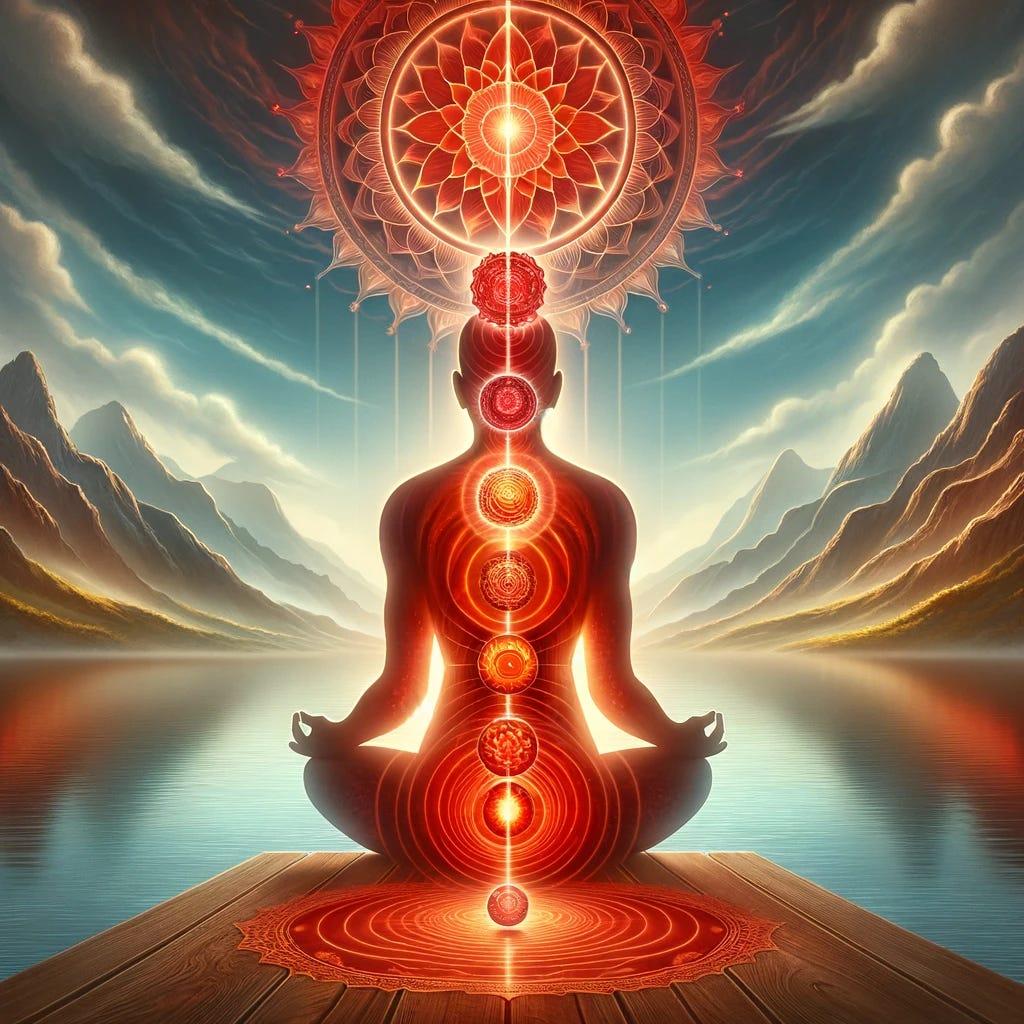
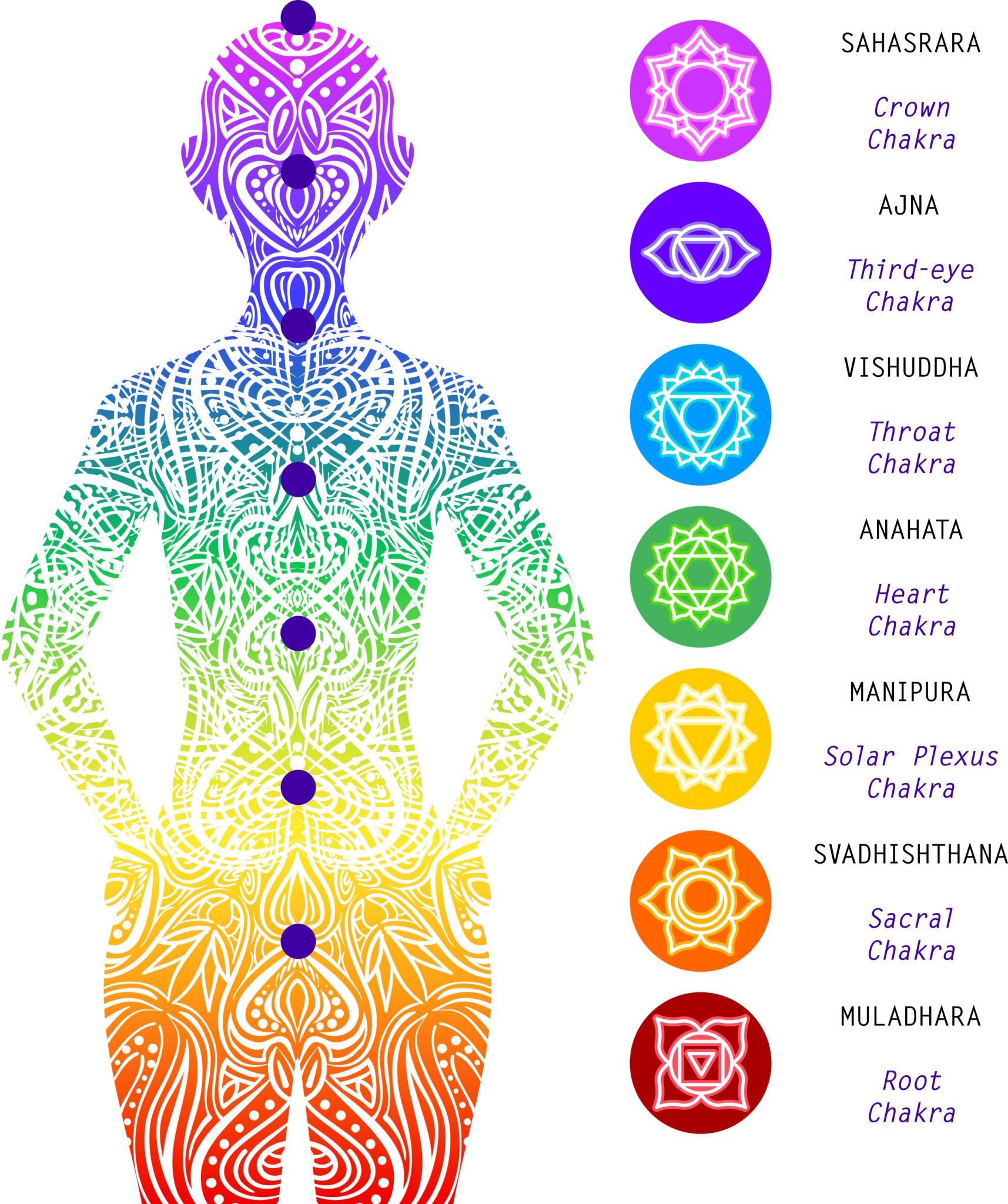
1. Root Chakra — Muladhara

Location: Base of the spine

Associated With: Stability, Safety, Survival, Grounding, Security

The Root Chakra is considered the foundation of the chakra system. It is associated with basic human needs such as food, shelter, safety, and emotional grounding.

When balanced, individuals may feel: secure, stable, connected, emotionally grounded.

An imbalance is traditionally believed to contribute to fear, insecurity, or emotional instability.

Symbolic Color: Red

2. Sacral Chakra — Svadhisthana

Location: Lower abdomen

Associated With: Creativity, Emotions, Relationships, Pleasure, Self-expression

The Sacral Chakra is linked to emotional flow, creativity, and connection with others. This chakra is traditionally associated with: passion, imagination, emotional balance, creative energy.

Symbolic Color: Orange

3. Solar Plexus Chakra — Manipura

Location: Upper abdomen

Associated With: Confidence, Personal power, Motivation, Self-esteem, Inner strength

The Solar Plexus Chakra is considered the center of personal identity and willpower. When balanced, it is believed to support: confidence, determination, discipline, clarity.

Symbolic Color: Yellow

4. Heart Chakra — Anahata

Location: Center of the chest

Associated With: Love, Compassion, Forgiveness, Emotional healing, Connection

The Heart Chakra represents emotional openness and human connection. It is often associated with: empathy, kindness, trust, emotional balance.

Traditional wellness systems view this chakra as the bridge between physical and spiritual energy.

Symbolic Color: Green

5. Throat Chakra — Vishuddha

Location: Throat region

Associated With: Communication, Truth, Expression, Authenticity

The Throat Chakra is connected with speaking honestly and expressing thoughts clearly. A balanced throat chakra is believed to support: confidence in communication, truthful expression, clarity in conversation.

Symbolic Color: Blue

6. Third Eye Chakra — Ajna

Location: Between the eyebrows

Associated With: Intuition, Awareness, Wisdom, Inner clarity, Perception

The Third Eye Chakra is traditionally linked with intuition and mental insight. It is often associated with: mindfulness, deeper awareness, imagination, spiritual understanding.

Symbolic Color: Indigo

7. Crown Chakra — Sahasrara

Location: Top of the head

Associated With: Consciousness, Spiritual connection, Inner peace, Higher awareness

The Crown Chakra is considered the highest energy center within the chakra system. It is symbolically connected with: spiritual growth, wisdom, universal connection, deep inner calm.

Symbolic Color: Violet or White

Chakra Balance & Modern Wellness

In modern wellness culture, chakra concepts are commonly explored through: meditation, yoga, mindfulness, breathing exercises, sound healing, energy-based wellness practices.

While interpretations vary across traditions and individuals, many people use chakra philosophy as a framework for emotional awareness, self-reflection, and inner balance.

Why the Chakra System Still Fascinates the World

The continued popularity of chakra philosophy reflects a growing global interest in: holistic wellness, mind-body connection, emotional balance, spiritual exploration, preventive wellness practices.

In a world increasingly focused on mental health and self-awareness, ancient systems like the chakra model continue to offer symbolic and philosophical guidance for personal well-being.

Conclusion

The concept of the 7 chakras represents far more than ancient spiritual symbolism. It reflects humanity's long-standing attempt to understand the relationship between physical health, emotional balance, inner awareness, and overall well-being.

Whether viewed spiritually, philosophically, or as part of mindfulness practices, the chakra system continues to inspire millions of people seeking greater balance in modern life.

And perhaps that is why these ancient teachings remain relevant even today: because the search for balance, peace, and inner harmony is timeless.

Read More
The Silent Impact of Chemicals
Health

The Silent Impact of Chemicals on the Human Body: Understanding Modern Lifestyle Exposure

Modern life has become deeply connected with convenience. From packaged foods and skincare products to cleaning agents, pollution, synthetic fragrances, and processed materials — chemicals are now part of everyday living in ways most people rarely notice.

While science and industrial innovation have improved modern lifestyles in many ways, growing awareness around chemical exposure has also started an important global conversation: How do excessive chemicals affect the human body over time?

Today, consumers are becoming more conscious about what they eat, apply to their skin, breathe, and consume daily. This shift is not driven by fear alone, but by a growing desire for healthier, cleaner, and more balanced lifestyles.

Chemicals Are Everywhere in Modern Life

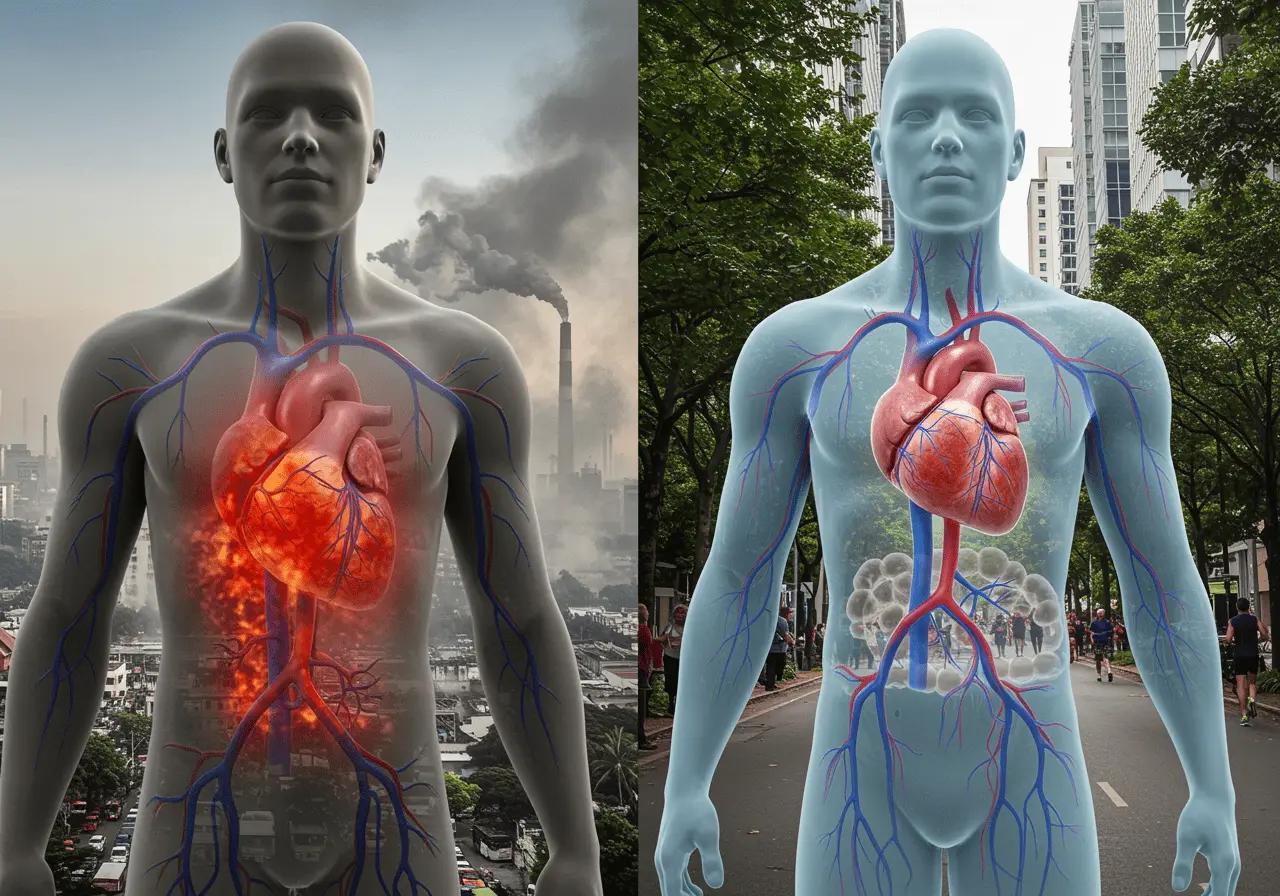
The modern environment exposes people to chemicals through multiple sources, including: Processed foods, Artificial additives, Excessive preservatives, Air pollution, Synthetic fragrances, Household cleaning products, Plastic packaging, Cosmetic and personal care products.

Not all chemicals are harmful, and many are essential in medicine, healthcare, and manufacturing. However, increasing dependence on highly processed and heavily synthetic environments has raised concerns about long-term exposure and overall wellness.

The Human Body & Daily Exposure

The human body constantly interacts with external substances through: Skin absorption, Breathing, Digestion, Environmental contact.

Over time, excessive exposure to certain harsh or low-quality synthetic ingredients may contribute to: Skin sensitivity, Dryness & irritation, Respiratory discomfort, Lifestyle-related stress on the body, Environmental toxicity concerns.

This is one reason why many consumers are now shifting toward cleaner and more mindful lifestyle choices.

Processed Lifestyle vs Natural Balance

Traditional lifestyles were generally more connected to: Fresh foods, Natural ingredients, Seasonal eating, Simpler formulations, Lower environmental exposure.

Modern lifestyles, on the other hand, often prioritize speed, shelf life, appearance, and convenience.

As awareness increases, people are now becoming more interested in: Clean-label products, Naturally inspired wellness, Minimal ingredient formulations, Skin-friendly alternatives, Sustainable lifestyle choices.

The focus is gradually moving from "more products" to "better ingredients."

Why Skin-Friendly & Conscious Formulations Matter

The skin is the body's largest organ and acts as a protective barrier between the body and the external environment. This is why ingredient awareness in skincare, wellness, and lifestyle products has become increasingly important.

Consumers today are actively reading labels and seeking products that prioritize: Naturally derived ingredients, Gentle formulations, Transparency, Wellness-focused development, Long-term skin compatibility.

The goal is no longer only cosmetic appearance — it is overall wellness support.

Environmental Impact & Human Wellness

The discussion around chemicals is also connected to sustainability. Excessive chemical dependency in industries and daily life can influence: Water quality, Soil health, Air quality, Ecological balance.

This is why conversations around wellness today are increasingly connected with environmental responsibility as well.

Healthy living is no longer viewed only at the personal level — it is also linked to the health of the environment itself.

The Rise of Conscious Wellness

Modern consumers are becoming more intentional about: What they eat, What they apply on their body, What they consume daily, How products are formulated, How ingredients are sourced.

This growing awareness is driving demand for: Cleaner wellness products, Naturally inspired formulations, Sustainable alternatives, Preventive lifestyle practices.

The future of wellness is becoming more conscious, informed, and ingredient-aware.

Conclusion

Chemicals are an unavoidable part of modern life, but growing awareness is helping people make more mindful choices about their lifestyles, wellness routines, and daily consumption habits.

The conversation today is not about avoiding science or innovation — it is about balance, safety, transparency, and conscious living.

As people become more aware of how modern environments influence long-term wellness, the importance of cleaner lifestyles, skin-friendly formulations, and wellness-focused choices will continue to grow.

Because sometimes, protecting wellness begins not with dramatic change — but with becoming more aware of what surrounds us every day.

Read More
Weight Control vs Weight Management
Fitness

Weight Control vs Weight Management: Understanding the Difference Between Temporary Change & Long-Term Wellness

In today's world, conversations around body weight have become increasingly common. From crash diets and quick-fix challenges to extreme workout trends and "instant transformation" promises, modern wellness culture often focuses heavily on rapid results.

But one important distinction is frequently overlooked: Weight Control and Weight Management are not the same thing.

While both terms are often used interchangeably, they reflect two very different approaches toward health, lifestyle, and long-term wellness. And understanding this difference may completely change the way people think about fitness and healthy living.

What is Weight Control?

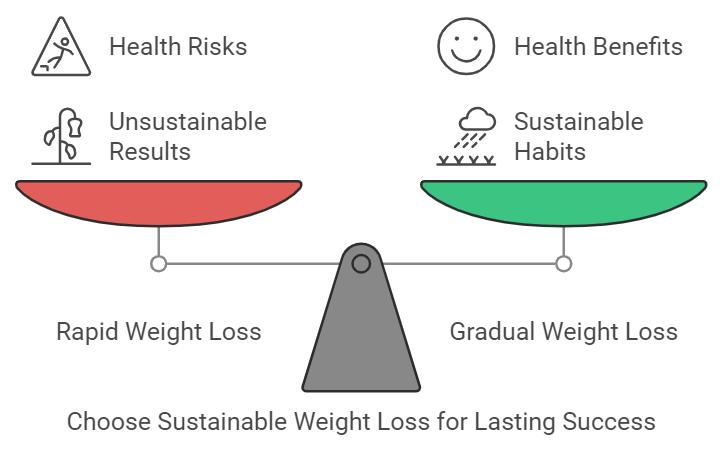
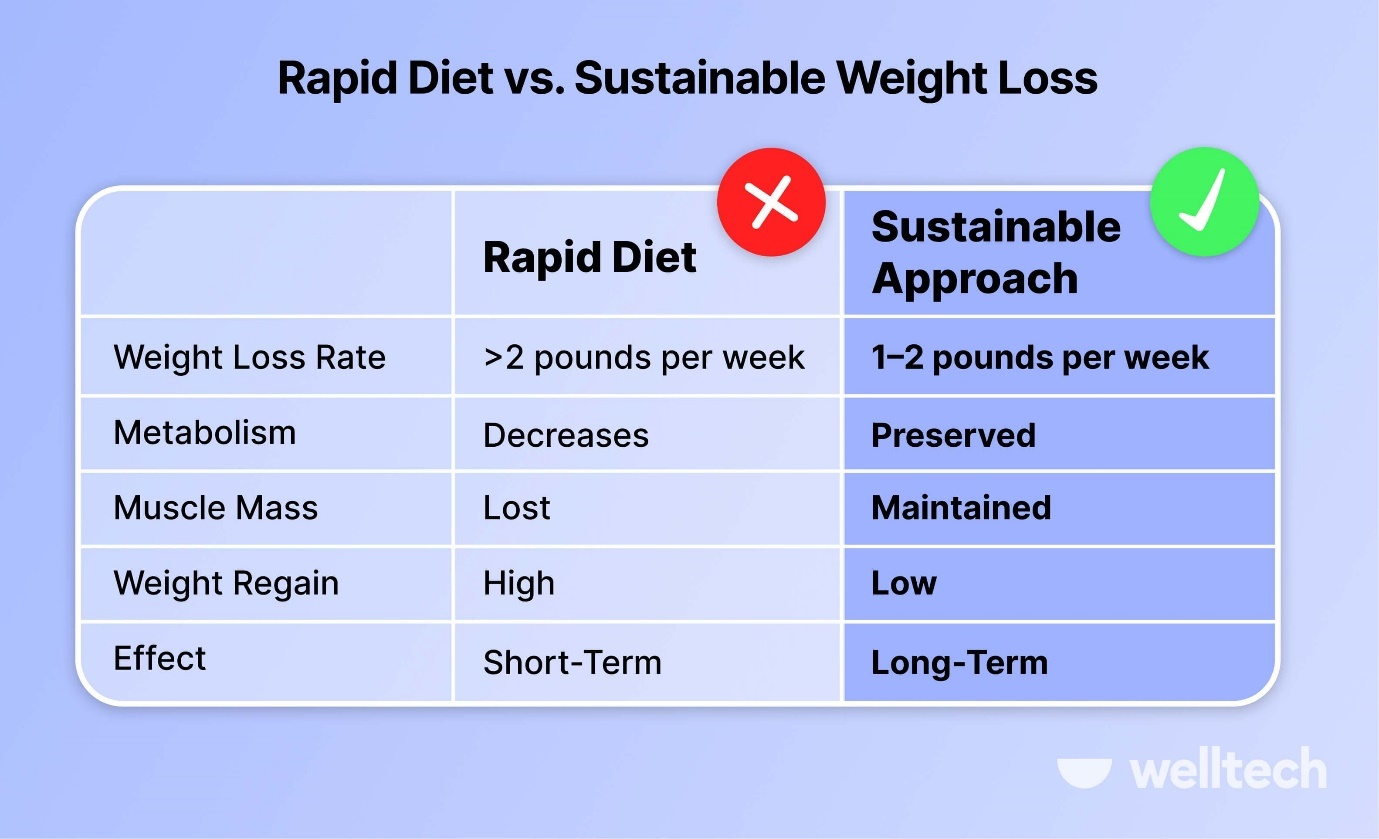
Weight control is usually focused on: short-term weight reduction, temporary dieting, calorie restriction, rapid physical transformation, achieving quick results.

This approach is often driven by urgency: a wedding, an event, social pressure, or unrealistic beauty standards.

In many cases, weight control methods rely on: restrictive diets, excessive exercise, skipping meals, unsustainable routines.

While these methods may sometimes create temporary changes, they are often difficult to maintain long-term. And once routines stop, weight frequently returns again.

This is commonly known as: The "cycle effect" of temporary wellness habits.

The Problem With Quick-Fix Weight Culture

Modern weight-loss culture often promotes the idea that faster is better. But the human body does not always respond positively to extreme change.

Aggressive dieting and unrealistic routines may sometimes lead to: low energy, nutritional imbalance, mental exhaustion, inconsistent metabolism, unhealthy relationships with food, difficulty maintaining results.

This is why many people repeatedly lose and regain weight over time. The problem is not only physical. It is often lifestyle-related.

What is Weight Management?

Weight management takes a very different approach. Instead of focusing only on losing weight quickly, it focuses on: maintaining long-term balance through sustainable lifestyle habits.

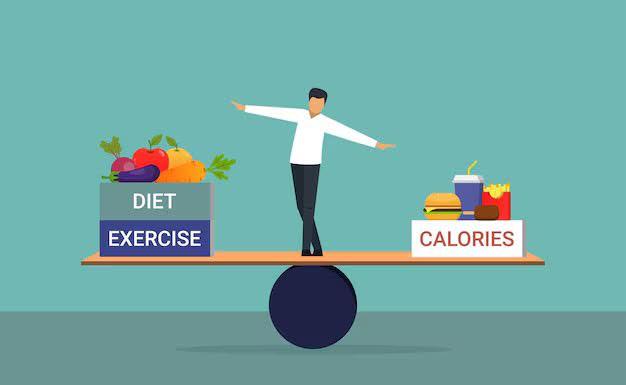
Weight management is usually connected with: balanced nutrition, regular physical activity, sleep quality, stress management, consistency, overall wellness.

The goal is not temporary transformation. The goal is creating habits that the body can realistically maintain over time.

Why Weight Management Is More Sustainable

The body naturally responds better to gradual, balanced lifestyle improvements rather than extreme pressure. Long-term wellness habits help support: stable energy levels, balanced eating patterns, sustainable metabolism, emotional wellness, realistic fitness goals.

Unlike crash diets, weight management focuses on building a healthier relationship with: food, movement, routine, self-care.

This creates more realistic and maintainable progress.

Weight Is Not the Only Measure of Health

One of the biggest misconceptions in modern wellness culture is treating body weight as the only indicator of health. But wellness is much broader than numbers on a scale.

A healthy lifestyle also includes: energy levels, mental wellness, sleep quality, strength, digestion, emotional balance, physical activity, consistency in habits.

This is why sustainable wellness focuses more on overall lifestyle quality rather than short-term appearance alone.

The Role of Nutrition

Weight management is not about eating less. It is about eating better. Balanced nutrition usually includes: whole foods, adequate hydration, fiber-rich meals, mindful eating, portion awareness, reducing excessive processed foods.

Extreme restriction often creates imbalance. Sustainable nutrition creates consistency.

Movement Matters More Than Perfection

Healthy movement does not always require extreme workout routines. Long-term weight management can be supported through: walking, yoga, strength training, stretching, sports, active daily habits.

The key factor is consistency. Small activities practiced regularly often produce better long-term results than unsustainable intensity.

Stress, Sleep & Weight Balance

Modern wellness research increasingly highlights the relationship between: stress, sleep quality, hormonal balance, lifestyle patterns, body weight management.

Irregular sleep and chronic stress may influence eating habits, energy levels, and overall wellness routines.

This is why sustainable weight management also includes: proper recovery, mental wellness, balanced routines, healthier lifestyle structure.

Why Long-Term Thinking Matters

The most important difference between weight control and weight management is mindset.

Weight control often asks: "How fast can I lose weight?"

Weight management asks: "How can I maintain a healthier lifestyle for years?"

And perhaps that is the healthier question. Because wellness is not built through temporary pressure. It is built through sustainable habits repeated consistently over time.

A Healthier Relationship With Wellness

Perhaps the biggest shift needed today is not simply losing weight — but changing the way people think about health itself.

Real wellness is rarely built through pressure, punishment, or temporary extremes. It grows through balance, consistency, self-awareness, and sustainable daily habits that support both the body and the mind over time.

Weight management is not about chasing unrealistic perfection. It is about creating a lifestyle that feels healthier, stronger, and more maintainable in the long run.

Because the true goal of wellness should never be just short-term transformation — it should be building a healthier life that the body can sustain naturally for years to come.

Read More
Beyond Caffeine: Why Herbal Teas
Nutrition

Beyond Caffeine: Why Herbal Teas Are Becoming the Smarter Lifestyle Choice

For decades, tea and coffee have been deeply connected with modern lifestyle routines. Morning energy, work productivity, late-night schedules, social meetings, and daily habits often revolve around caffeine-based beverages.

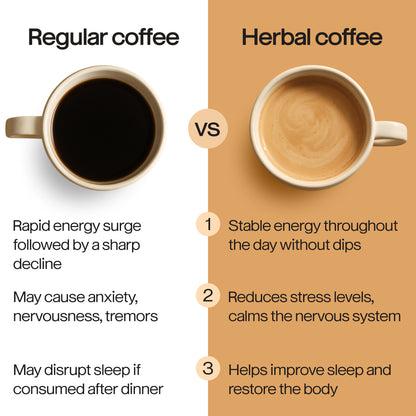
But as conversations around wellness, stress, sleep quality, and mindful living continue to grow, many people are beginning to rethink one simple question: Is constant stimulation really what the body needs every day?

This shift in awareness is one of the biggest reasons herbal teas are becoming increasingly popular in modern wellness culture.

Unlike traditional tea and coffee, herbal teas are often associated not only with refreshment — but also with balance, relaxation, and conscious living.

The Modern Dependence on Caffeine

Modern lifestyles are faster than ever before. Long working hours, screen-heavy routines, irregular sleep, and constant mental pressure have increased dependence on stimulants like tea and coffee for temporary alertness and energy.

While moderate caffeine consumption may fit many lifestyles, excessive intake can sometimes contribute to: sleep disturbance, restlessness, energy crashes, dependency patterns, overstimulation.

For many people, caffeine has gradually shifted from occasional consumption to a daily survival habit. And this is where herbal wellness beverages are creating a different approach.

What Makes Herbal Tea Different?

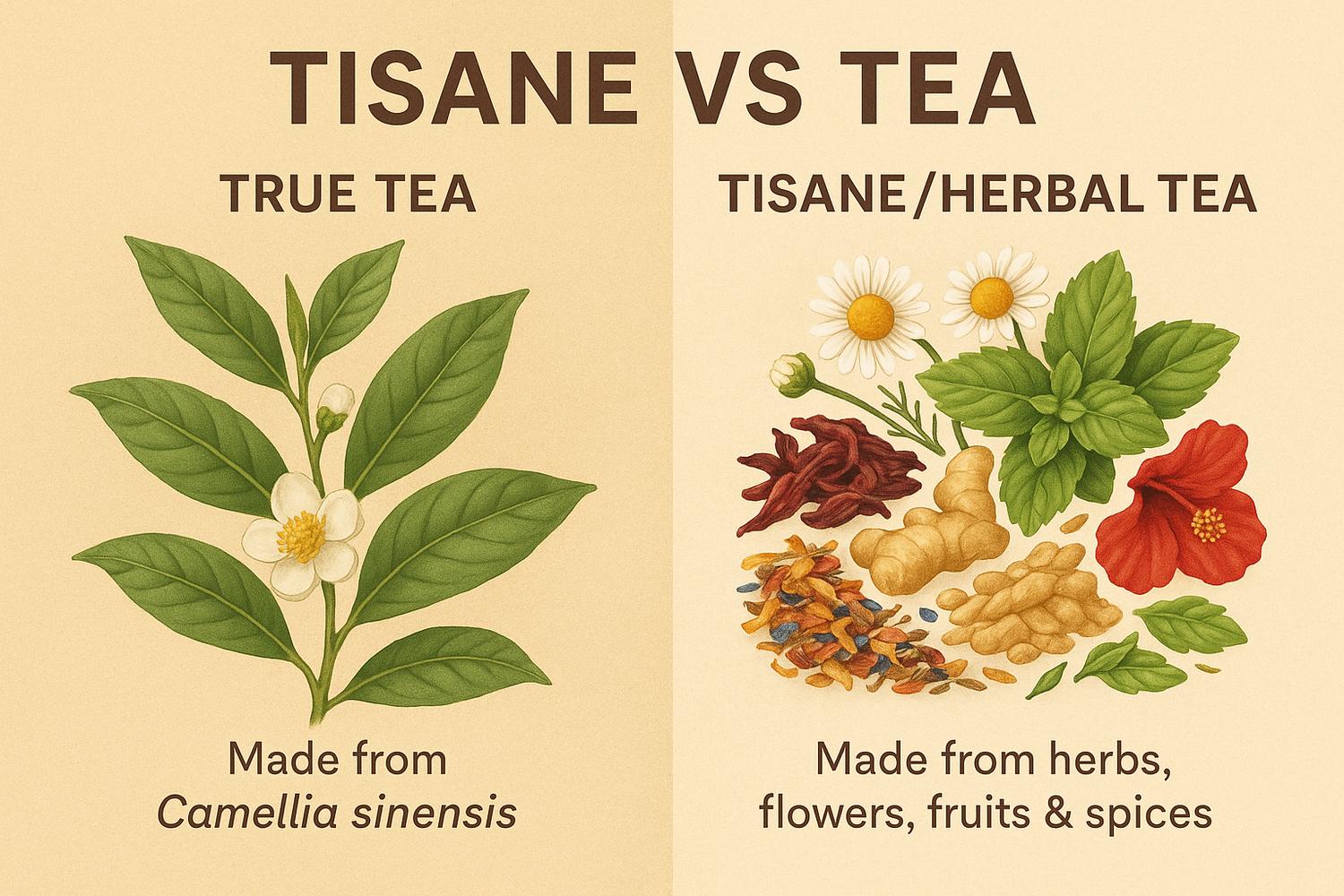
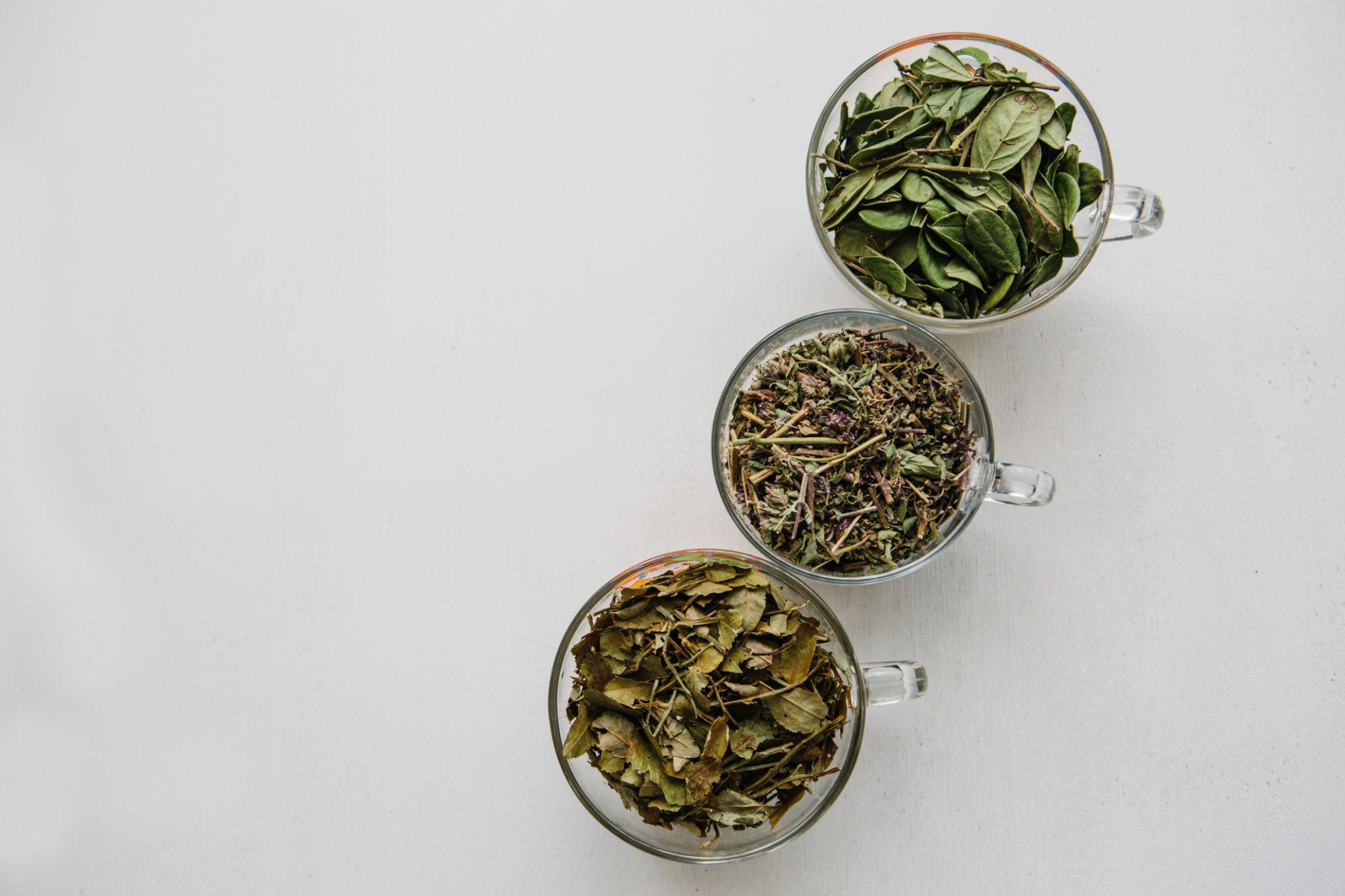
Herbal teas are typically prepared using: herbs, flowers, roots, spices, botanicals, fruits.

Unlike regular tea and coffee, many herbal infusions are naturally caffeine-free and are often consumed as part of wellness-focused routines.

Popular herbal tea ingredients include: Tulsi, Chamomile, Hibiscus, Peppermint, Ginger, Ashwagandha, Lemongrass, Cinnamon.

Rather than providing intense stimulation, herbal teas are often linked with: calming routines, mindful relaxation, hydration support, balanced lifestyle habits, wellness-oriented rituals.

From Productivity Culture to Wellness Culture

One of the biggest lifestyle shifts happening globally is the movement from: "constant productivity" toward "sustainable wellness."

People are becoming more conscious about: stress management, sleep quality, emotional balance, long-term wellness, mindful consumption.

This is why herbal teas are no longer viewed simply as traditional beverages. They are becoming part of: self-care routines, wellness rituals, evening relaxation habits, mindful lifestyle practices.

In many ways, herbal tea represents a slower and more intentional relationship with daily living.

The Emotional Side of Herbal Tea

Unlike fast caffeine consumption often associated with urgency and stimulation, herbal tea is frequently connected with: calmness, comfort, mindfulness, routine balance, relaxation moments.

The experience itself becomes part of wellness. A warm cup of herbal tea is increasingly seen not just as a beverage — but as a pause from overstimulation.

Why Consumers Are Choosing Herbal Wellness Beverages

Modern consumers are paying closer attention to: ingredient quality, caffeine intake, lifestyle balance, natural wellness alternatives, preventive self-care.

As a result, herbal wellness beverages are becoming increasingly relevant within: holistic wellness, clean-label lifestyles, conscious nutrition, wellness-focused living.

The focus is slowly shifting from: "instant energy" toward "sustainable balance."

Herbal Tea & Conscious Living

The growing popularity of herbal tea reflects a larger wellness movement happening worldwide. People are becoming more intentional about: what they consume, how they feel, how they recover, how daily habits affect long-term wellness.

And sometimes, the healthiest lifestyle changes begin with the smallest rituals. Like replacing one overstimulating habit with a more balanced one.

Final Thought

Tea, coffee, and herbal infusions all have their place within different lifestyles. But the rise of herbal teas highlights something important about modern wellness culture: people are no longer searching only for energy.

They are searching for balance. Because true wellness is not simply about staying awake longer — it is about living healthier, calmer, and more consciously over time.

Read More
Beyond Caffeine: Why Herbal Teas
Lifestyle

What Your Cookware Says About Your Lifestyle, Health & Daily Habits

Modern wellness conversations are no longer limited to what we eat. Today, people are becoming increasingly conscious about how food is prepared, stored, and cooked every day.

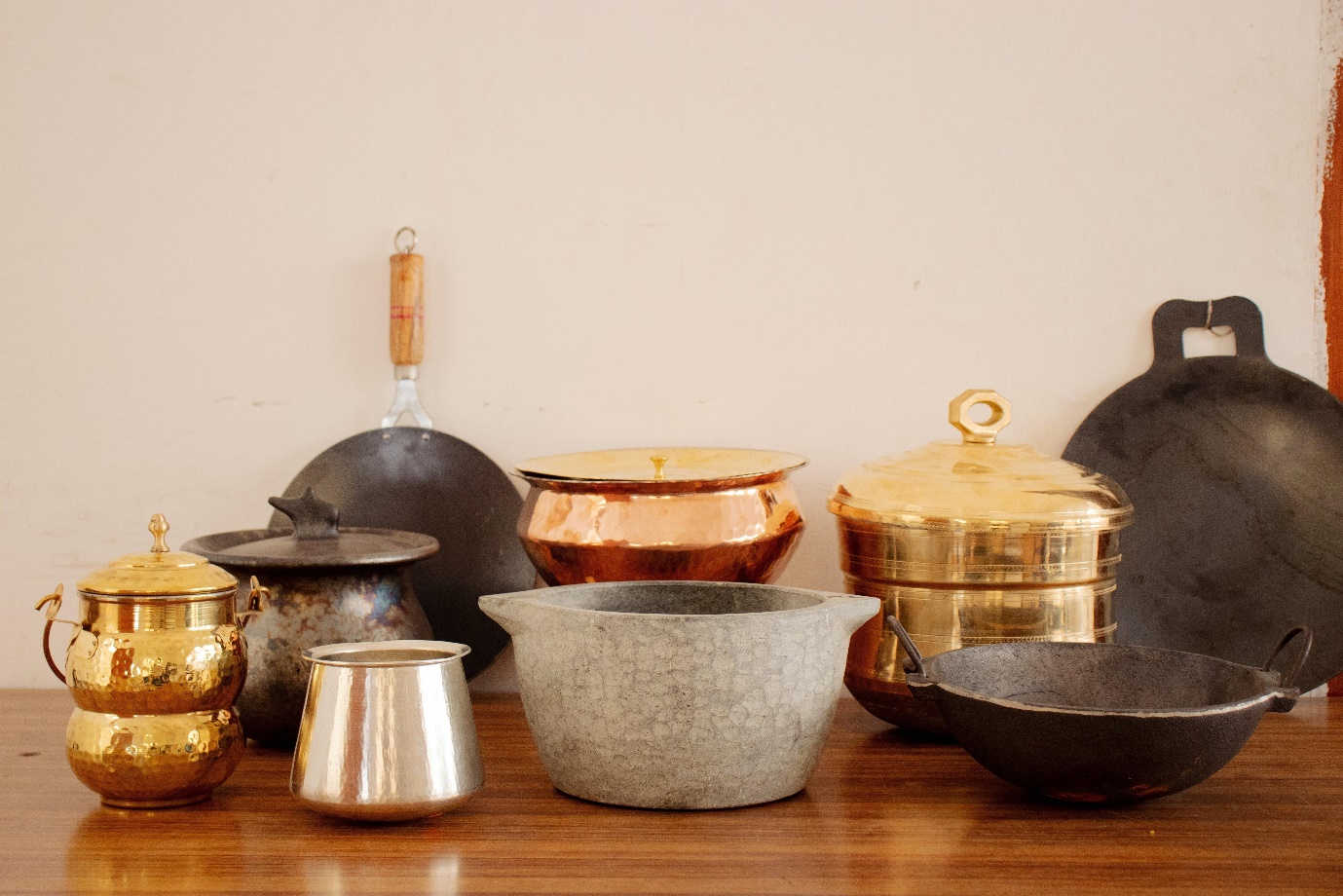
From traditional iron kadais and clay pots to modern stainless steel and non-stick cookware, kitchen utensils are more than simple cooking tools — they reflect lifestyle habits, convenience choices, cooking methods, and growing awareness around healthy living.

Interestingly, traditional Indian kitchens once relied heavily on natural and durable cookware materials long before modern coated utensils became common. Today, as people move toward more conscious lifestyles, many traditional cookware practices are slowly returning once again.

But every cookware material comes with its own: benefits, limitations, maintenance needs, cooking style.

Understanding both the advantages and disadvantages helps create more balanced and informed kitchen choices.

Iron Cookware

Iron utensils have been part of traditional kitchens for generations and are still appreciated for their durability and strong heat retention.

Benefits: Excellent heat retention, Highly durable, Ideal for roasting & high-heat cooking, Traditional cooking experience, Long lifespan with proper care.

Limitations: Heavy to handle, Requires seasoning & maintenance, Can rust if not dried properly.

Iron cookware is often preferred by people who value traditional cooking methods and long-lasting kitchen tools.

Cast Iron Cookware

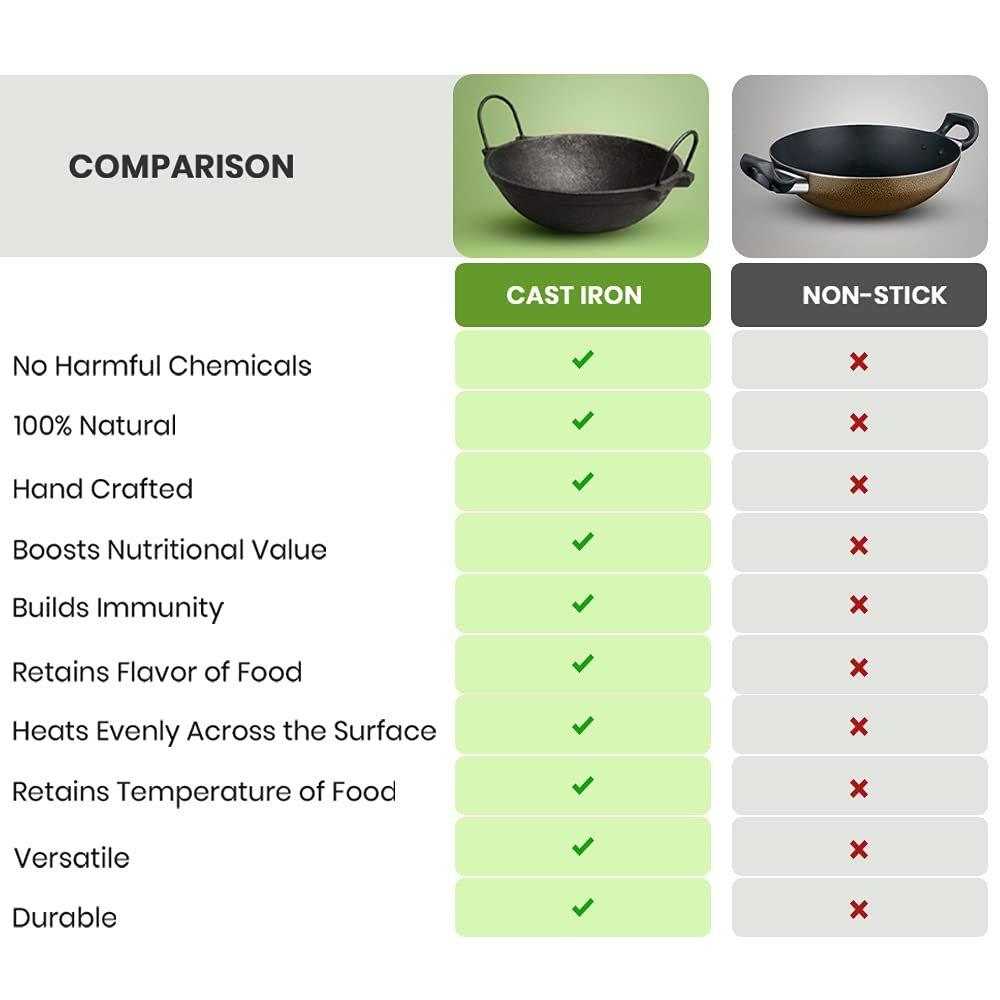
Cast iron is one of the most durable cookware materials and has become increasingly popular again in modern wellness-focused kitchens.

Benefits: Even heat distribution, Excellent for slow cooking, Long-lasting durability, Flavor-rich cooking experience, Naturally develops seasoning over time.

Limitations: Heavyweight cookware, Requires proper maintenance, Can rust without care, Longer heating time.

Many households today use cast iron for balanced cooking between traditional flavor and modern functionality.

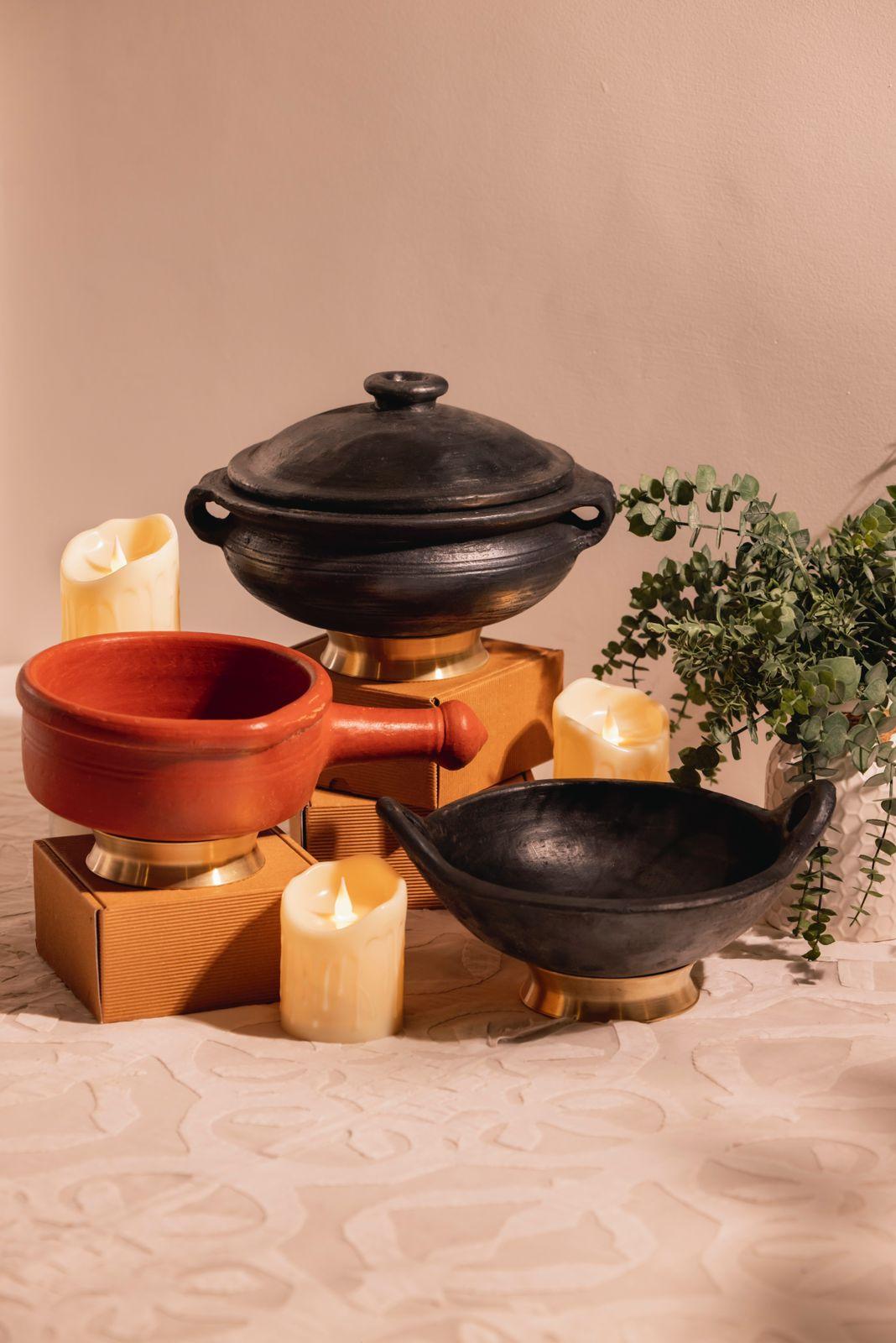
Clay & Stone Cookware

Clay and stone cookware were deeply connected with traditional cooking cultures before modern metal cookware became common.

Benefits: Supports slow cooking, Provides earthy cooking flavor, Natural traditional cooking feel, Often associated with mindful cooking practices.

Limitations: Fragile handling, Breakable material, Requires careful maintenance, Longer cooking duration.

Despite maintenance challenges, clay cookware continues to attract people interested in traditional and rustic cooking experiences.

Brass Utensils

Brass utensils have historically represented heritage kitchens and traditional Indian households.

Benefits: Attractive traditional appearance, Durable for long-term use, Cultural & aesthetic value, Commonly used for serving and storage.

Limitations: Requires regular polishing, Not suitable for all acidic foods without proper coating, Higher maintenance compared to steel.

Brass cookware is often valued more for heritage, presentation, and traditional kitchen culture.

Stainless Steel Cookware

Stainless steel remains one of the most commonly used cookware materials in modern kitchens because of practicality and convenience.

Benefits: Rust-resistant, Lightweight, Easy maintenance, Durable for daily cooking, Suitable for multiple cooking methods.

Limitations: Food may stick without proper heating, Less non-stick convenience, Lower heat retention compared to cast iron.

Steel cookware balances affordability, hygiene, and practicality for everyday use.

Non-Stick Cookware

Non-stick cookware became popular because of convenience, easy cleaning, and low-oil cooking support.

Benefits: Smooth cooking surface, Easy cleaning, Requires less oil, Convenient for quick cooking, Lightweight and beginner-friendly.

Limitations: Coating durability concerns, Surface may deteriorate over time, Scratches can damage coating, Overheating may affect coating quality, Generally shorter lifespan compared to traditional cookware.

This growing awareness has encouraged many people to use non-stick cookware more carefully while also balancing it with traditional kitchen materials.

Traditional vs Modern Kitchens

Traditional cookware was designed around: durability, slower cooking methods, natural materials, long-term usage.

Modern cookware focuses more on: convenience, speed, lightweight handling, easy maintenance.

Today's kitchens are increasingly blending both approaches together — combining traditional wisdom with modern practicality.

Which Cookware Is Best?

There is no single perfect cookware material for every household. The ideal choice depends on: cooking habits, maintenance preference, lifestyle routine, recipe types, convenience needs, long-term durability expectations.

Many modern kitchens now combine: cast iron for roasting, steel for daily cooking, clay pots for traditional meals, non-stick for quick convenience cooking.

The focus is slowly shifting toward more balanced and conscious kitchen choices.

Final Thought

Cookware is more than just a kitchen utility. It reflects how people cook, how they live, and how modern lifestyles balance convenience with traditional wisdom.

As awareness around healthy living continues to grow, people are beginning to understand that wellness is shaped not only by ingredients — but also by the everyday tools used to prepare food itself.
Because sometimes, the foundation of mindful living begins quietly inside the kitchen.

Read More
What Your Cookware Says About Your Lifestyle
Mental Wellness

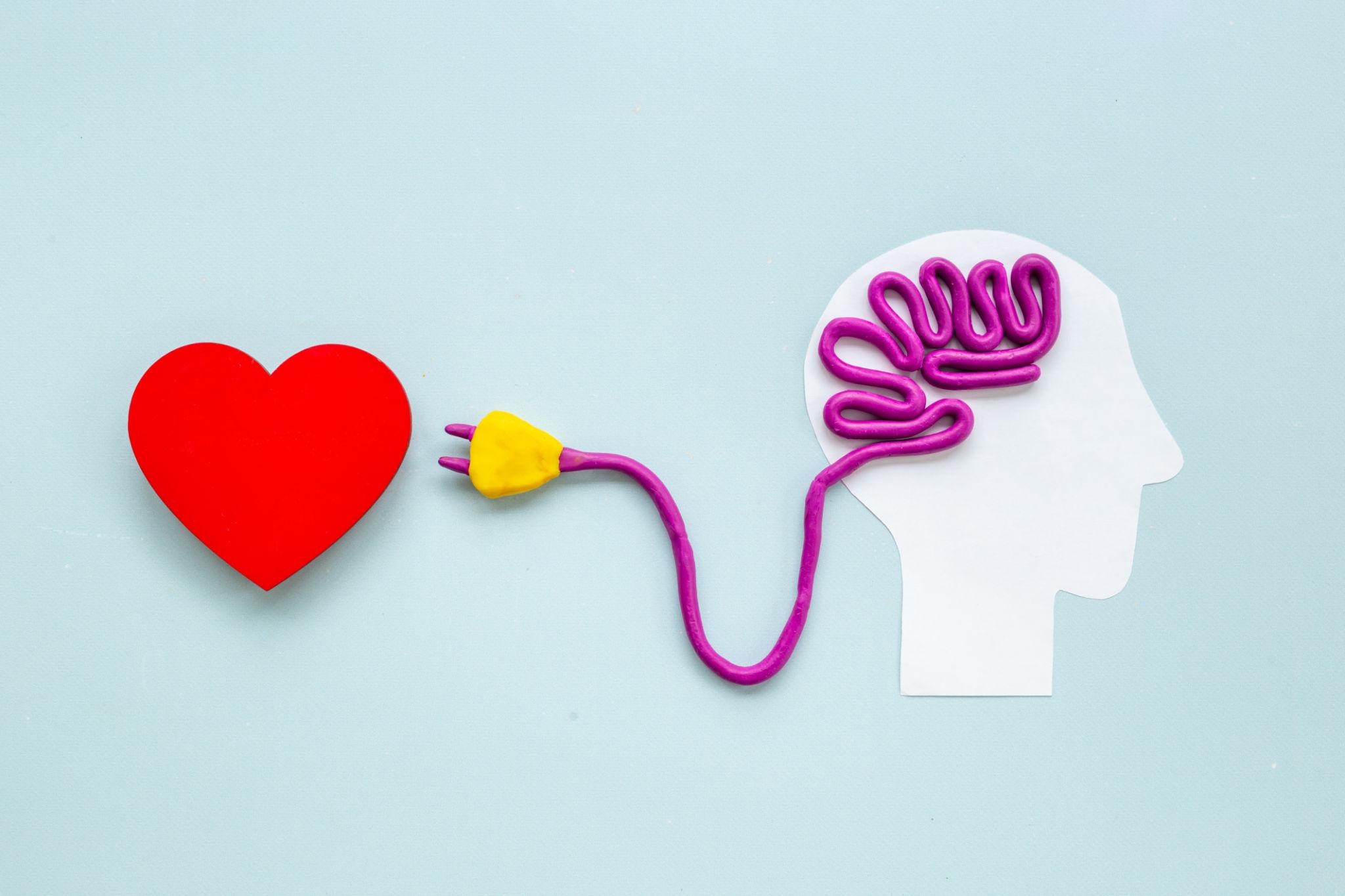
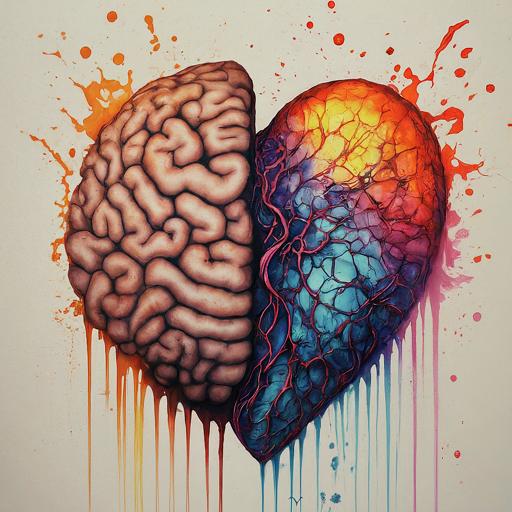
How the Mind & Brain Work Together to Shape Thoughts, Emotions & Behavior

The human body is filled with extraordinary systems, but perhaps nothing is more fascinating than the relationship between the mind and the brain.

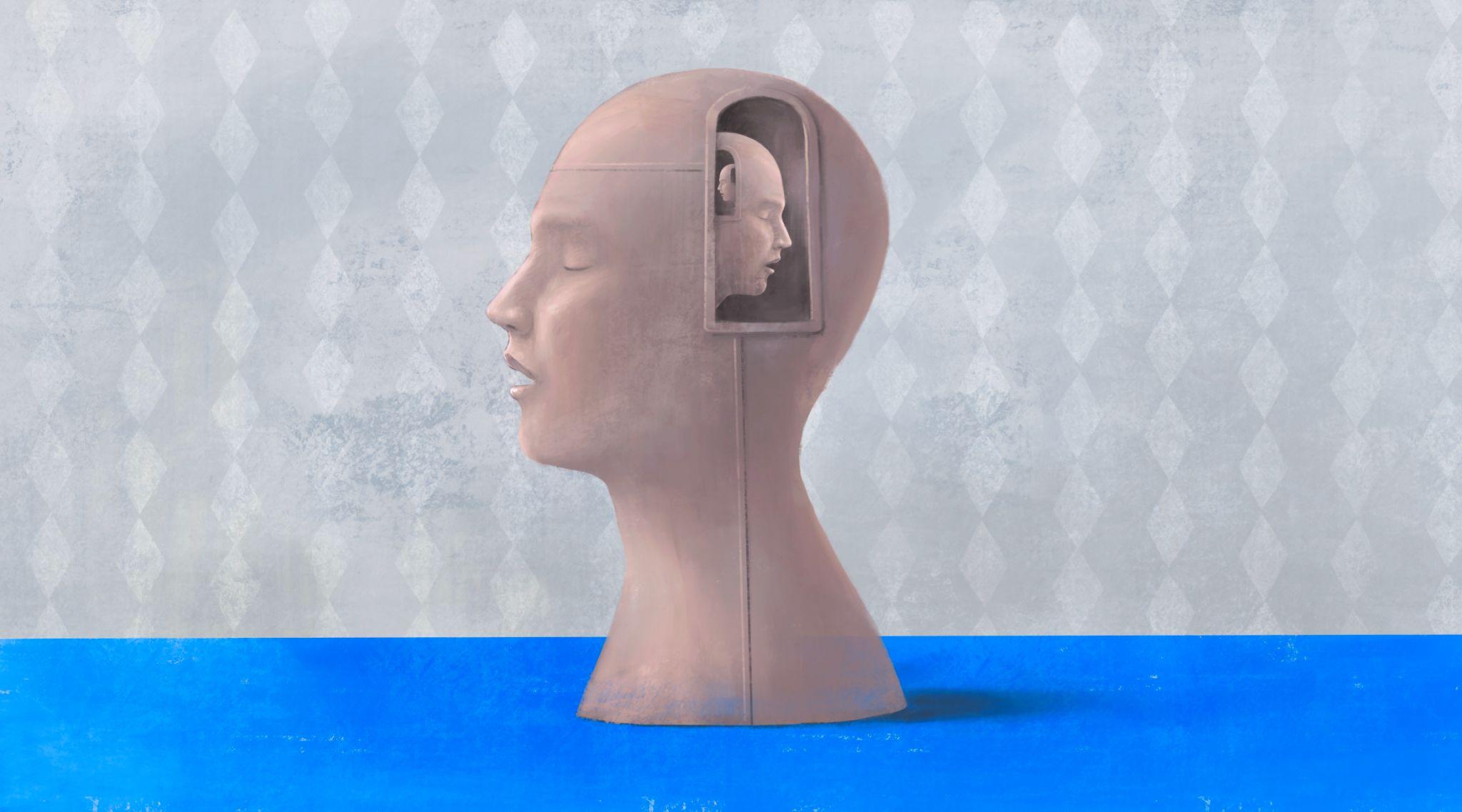
People often use these two terms interchangeably, yet they represent different aspects of human experience. The brain is a physical organ — a complex network of billions of neurons responsible for processing information, controlling body functions, storing memories, and regulating emotions. The mind, on the other hand, represents thoughts, awareness, emotions, perception, imagination, and consciousness itself.
In simple terms: the brain is physical, while the mind is experiential.

Yet despite their differences, both remain deeply connected and continuously influence one another.

The Brain: The Body's Control Center

The brain constantly receives and processes information from both the body and the external environment. Every memory, sensation, reaction, movement, and emotional response involves neural activity inside the brain.

It plays a major role in: learning, decision-making, focus, emotional regulation, sleep, memory, physical coordination.

Modern neuroscience continues to study how different regions of the brain influence human behavior and cognitive function.

The Mind: The Inner Human Experience

While the brain can be physically observed and scientifically studied, the mind is experienced internally through awareness and consciousness.

The mind influences: thoughts, emotions, imagination, beliefs, perception, inner dialogue.

It shapes how people experience reality, interpret emotions, respond to situations, and interact with the world around them.

This is why the relationship between mind and brain remains one of the most explored subjects in psychology, neuroscience, philosophy, and spirituality.

How Thoughts & Emotions Affect the Brain

The connection between mind and brain works in both directions. Emotional states, stress levels, thoughts, and mental habits may influence: sleep quality, focus, emotional balance, stress response, physical energy.

Similarly, physical health, nutrition, sleep, and neurological conditions may also affect: mood, concentration, emotional stability, mental clarity.

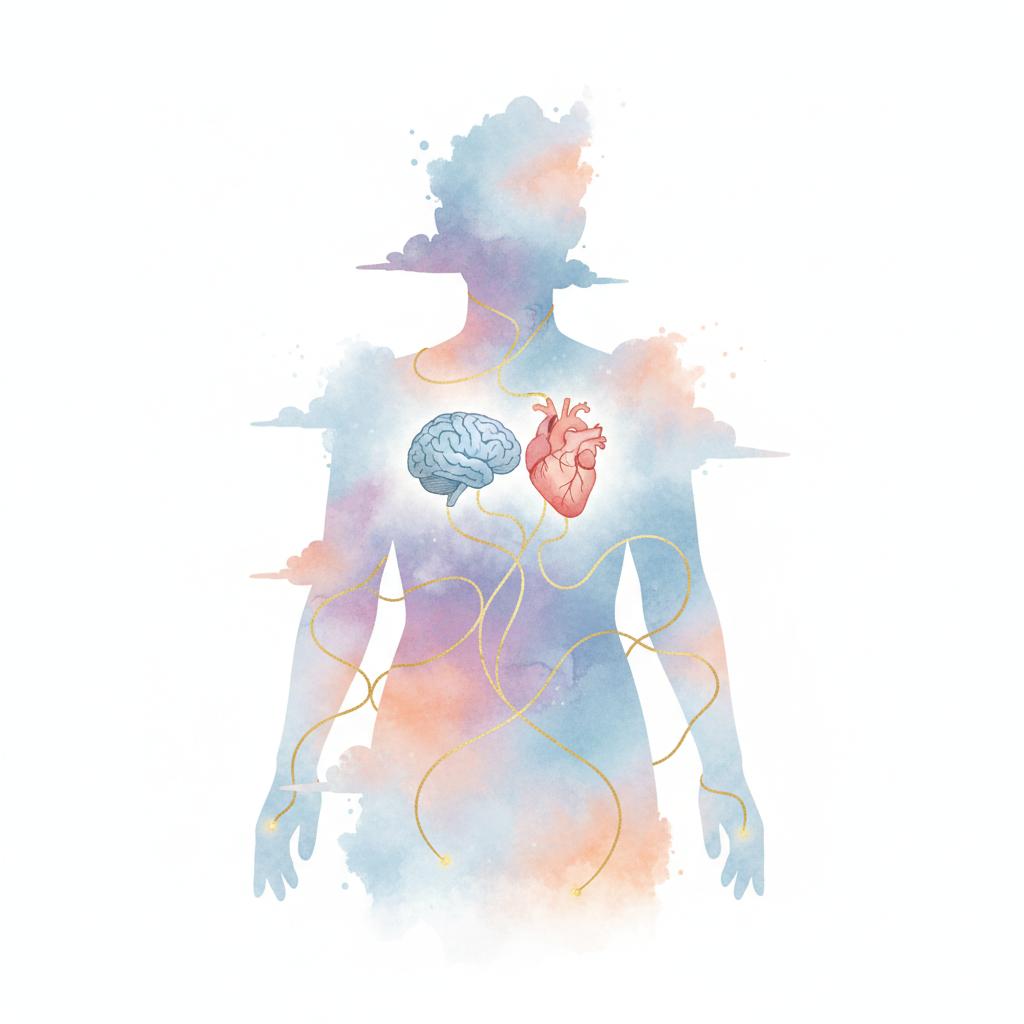
This interconnected relationship explains why mental wellness and physical wellness cannot truly be separated.

Modern Life & Mental Overload

Modern lifestyles have significantly increased mental stimulation and emotional pressure. Constant screen exposure, social media, work stress, irregular sleep, and overstimulation can gradually affect both mental and neurological balance.

As a result, practices such as: mindfulness, meditation, yoga, breathing exercises, proper sleep, balanced routines are becoming increasingly important in supporting healthier mind-body balance.

Why Mental Wellness Matters Today

For many years, physical health received greater attention than emotional or psychological well-being. Today, however, awareness around mental wellness is growing rapidly.

A healthier relationship between mind and brain may support: emotional resilience, better decision-making, improved focus, healthier relationships, overall quality of life.

Modern wellness is increasingly recognizing that true health involves both mental and physical balance together.

Final Thought

The relationship between the mind and the brain remains one of the most remarkable aspects of human existence. One is biological. The other is experiential.

Yet together they shape thoughts, emotions, behavior, awareness, and the way people experience life itself.
Perhaps this is why true wellness cannot be understood through the body alone — because human well-being ultimately begins from the connection between the brain, the mind, and inner awareness together.
Read More
Premium Quality

Get the best quality

Safe Ordering

100% secure payment

Easy Returns

Hassle-free returns.

Help Center

Dedicated 24/7 Support

Add items worth ₹499 to unlock Free Delivery Shop Now

Vimaura Assistant
Hello! I am your Vimaura AI Assistant. How can I help you on your wellness journey today?