.png)
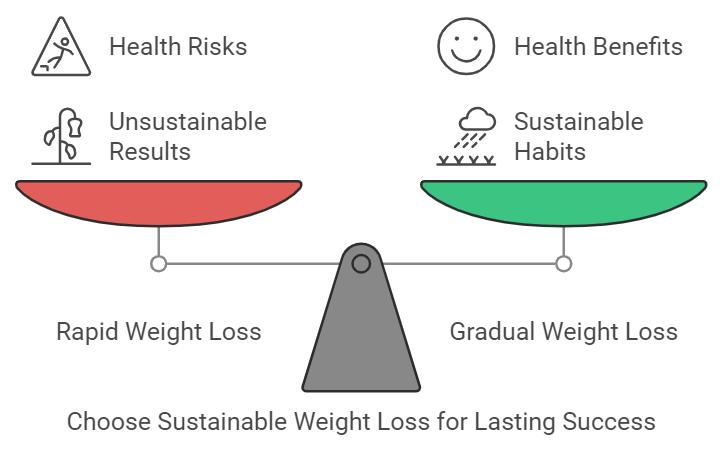





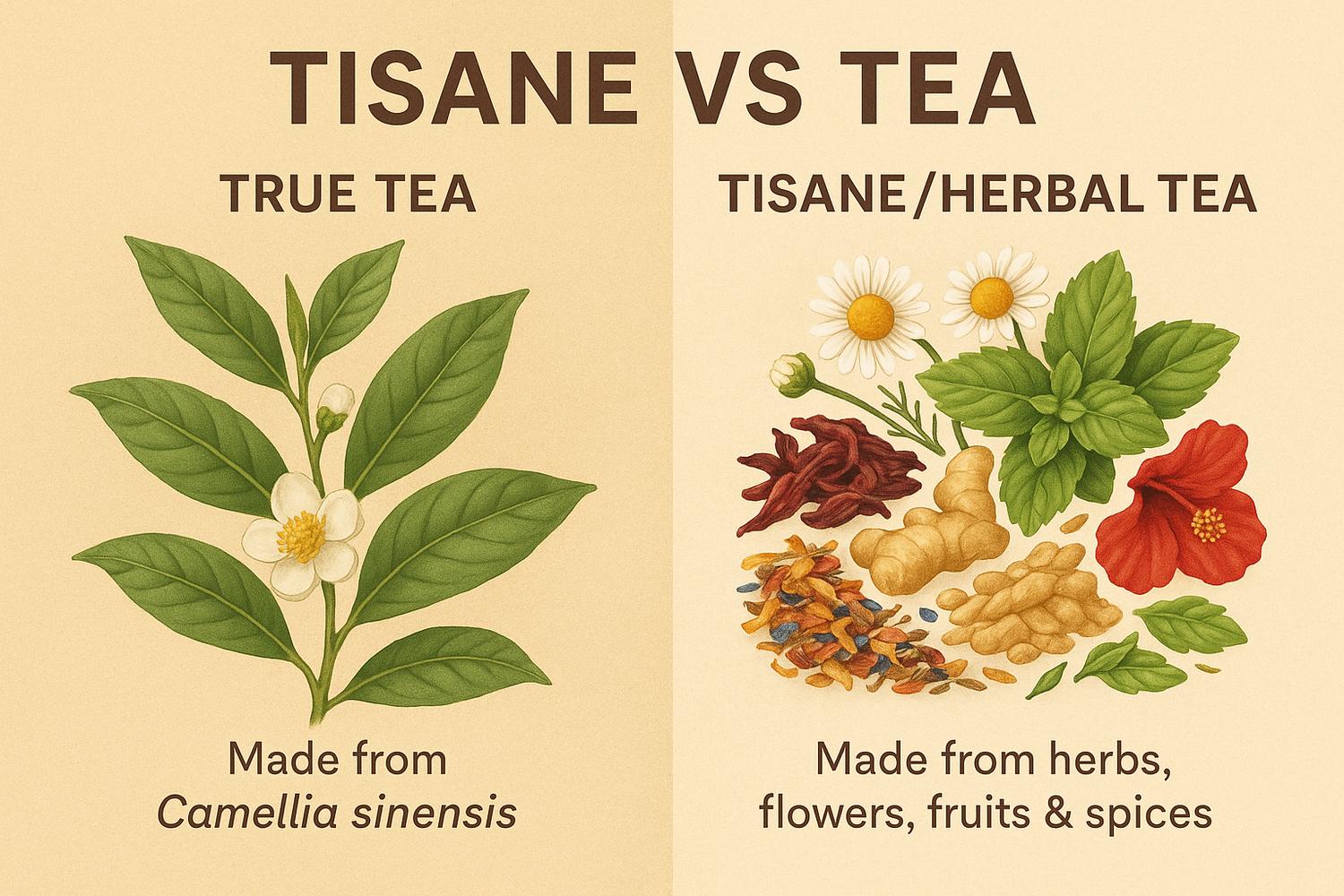


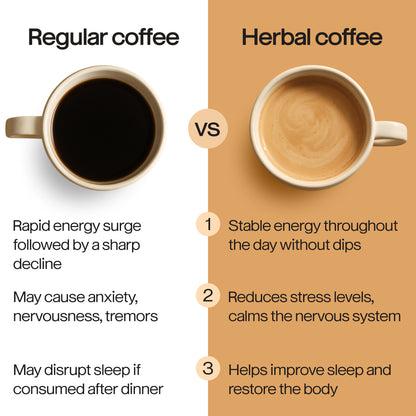
Weight control is usually focused on: short-term weight reduction, temporary dieting, calorie restriction, rapid physical transformation, achieving quick results.
This approach is often driven by urgency: a wedding, an event, social pressure, or unrealistic beauty standards.
In many cases, weight control methods rely on: restrictive diets, excessive exercise, skipping meals, unsustainable routines.
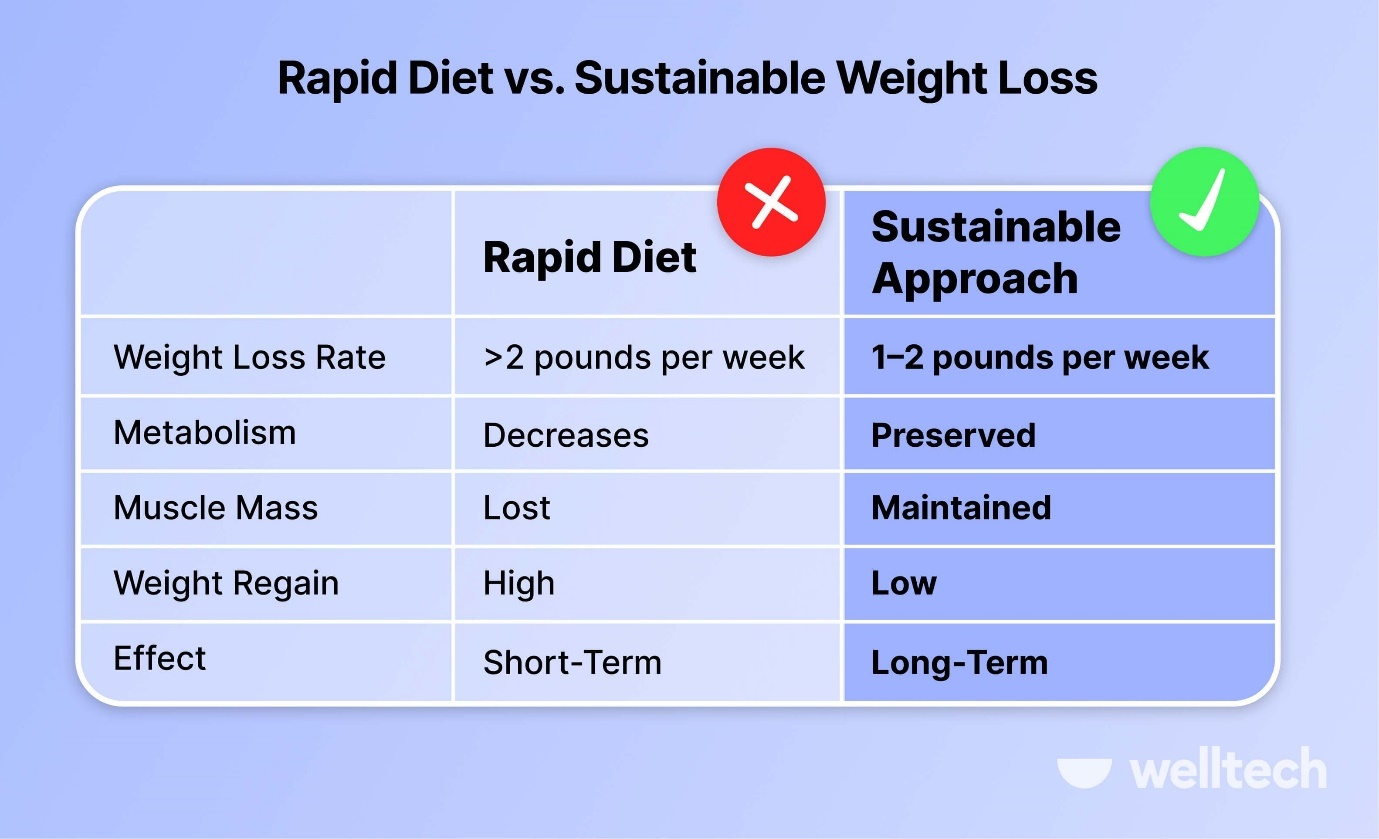
While these methods may sometimes create temporary changes, they are often difficult to maintain long-term. And once routines stop, weight frequently returns again.
This is commonly known as: The "cycle effect" of temporary wellness habits.
Modern weight-loss culture often promotes the idea that faster is better. But the human body does not always respond positively to extreme change.
Aggressive dieting and unrealistic routines may sometimes lead to: low energy, nutritional imbalance, mental exhaustion, inconsistent metabolism, unhealthy relationships with food, difficulty maintaining results.
This is why many people repeatedly lose and regain weight over time. The problem is not only physical. It is often lifestyle-related.
Weight management takes a very different approach. Instead of focusing only on losing weight quickly, it focuses on: maintaining long-term balance through sustainable lifestyle habits.
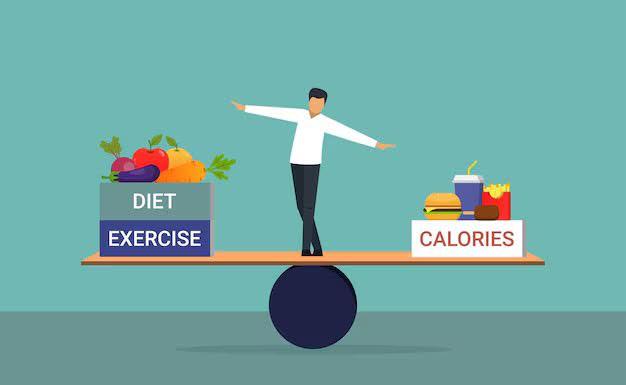
Weight management is usually connected with: balanced nutrition, regular physical activity, sleep quality, stress management, consistency, overall wellness.
The goal is not temporary transformation. The goal is creating habits that the body can realistically maintain over time.
The body naturally responds better to gradual, balanced lifestyle improvements rather than extreme pressure. Long-term wellness habits help support: stable energy levels, balanced eating patterns, sustainable metabolism, emotional wellness, realistic fitness goals.
Unlike crash diets, weight management focuses on building a healthier relationship with: food, movement, routine, self-care.
This creates more realistic and maintainable progress.
One of the biggest misconceptions in modern wellness culture is treating body weight as the only indicator of health. But wellness is much broader than numbers on a scale.
A healthy lifestyle also includes: energy levels, mental wellness, sleep quality, strength, digestion, emotional balance, physical activity, consistency in habits.
This is why sustainable wellness focuses more on overall lifestyle quality rather than short-term appearance alone.
Weight management is not about eating less. It is about eating better. Balanced nutrition usually includes: whole foods, adequate hydration, fiber-rich meals, mindful eating, portion awareness, reducing excessive processed foods.
Extreme restriction often creates imbalance. Sustainable nutrition creates consistency.
Healthy movement does not always require extreme workout routines. Long-term weight management can be supported through: walking, yoga, strength training, stretching, sports, active daily habits.
The key factor is consistency. Small activities practiced regularly often produce better long-term results than unsustainable intensity.
Modern wellness research increasingly highlights the relationship between: stress, sleep quality, hormonal balance, lifestyle patterns, body weight management.
Irregular sleep and chronic stress may influence eating habits, energy levels, and overall wellness routines.
This is why sustainable weight management also includes: proper recovery, mental wellness, balanced routines, healthier lifestyle structure.
The most important difference between weight control and weight management is mindset.
Weight control often asks: "How fast can I lose weight?"
Weight management asks: "How can I maintain a healthier lifestyle for years?"
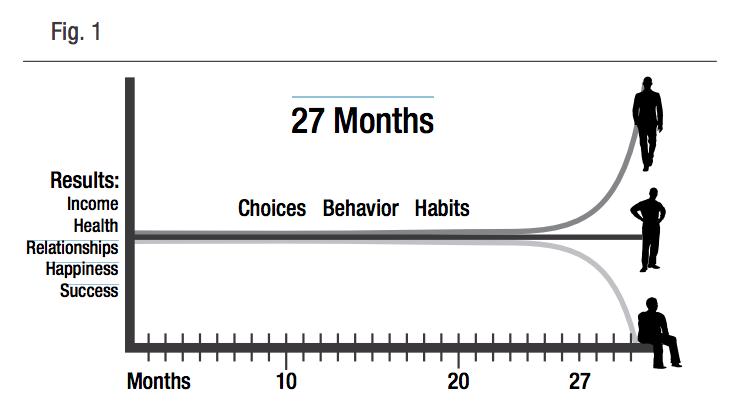
And perhaps that is the healthier question. Because wellness is not built through temporary pressure. It is built through sustainable habits repeated consistently over time.
Perhaps the biggest shift needed today is not simply losing weight - but changing the way people think about health itself.
Real wellness is rarely built through pressure, punishment, or temporary extremes. It grows through balance, consistency, self-awareness, and sustainable daily habits that support both the body and the mind over time.
Weight management is not about chasing unrealistic perfection. It is about creating a lifestyle that feels healthier, stronger, and more maintainable in the long run.
Because the true goal of wellness should never be just short-term transformation - it should be building a healthier life that the body can sustain naturally for years to come.
 Vimaura Assistant