.png)
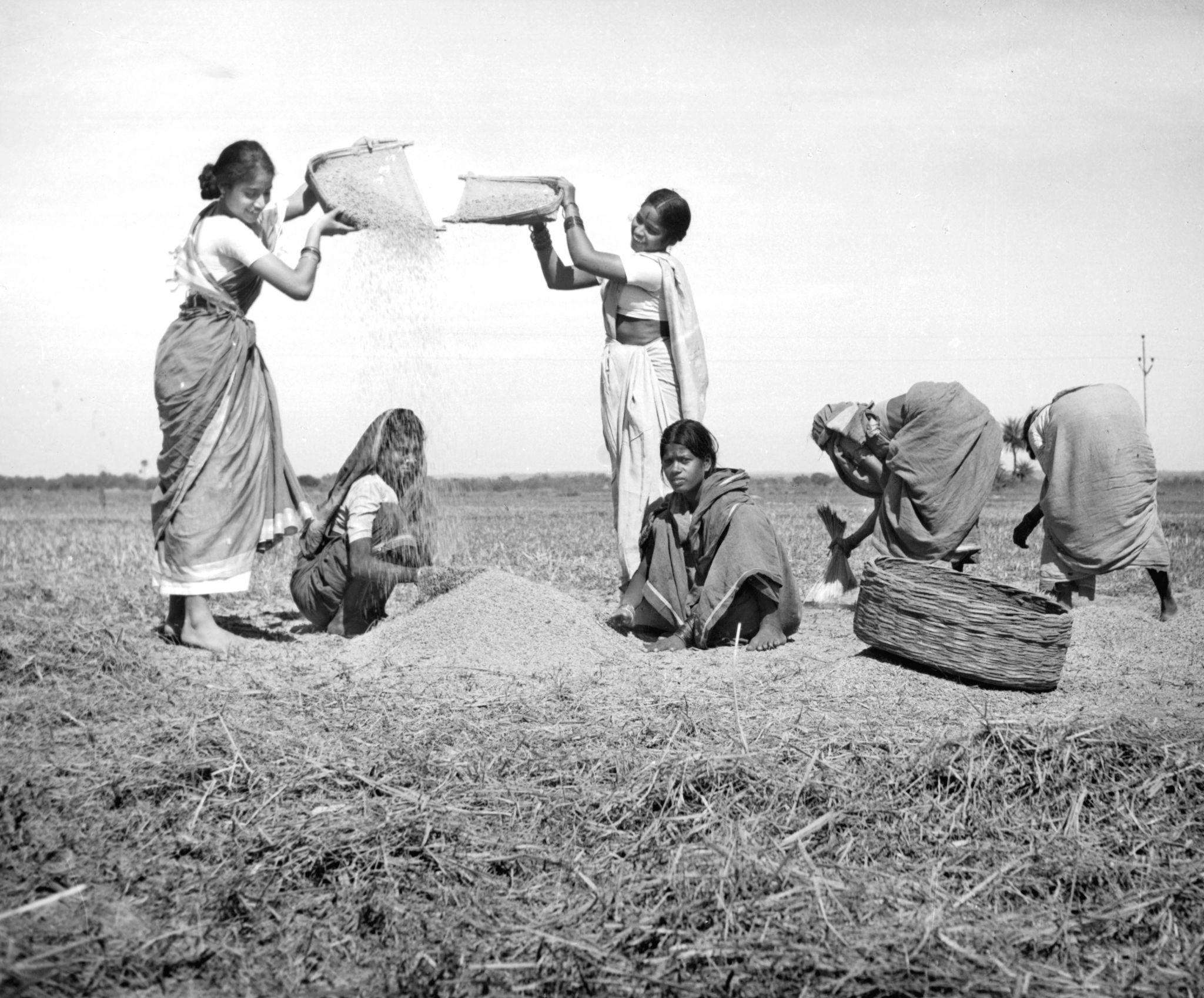
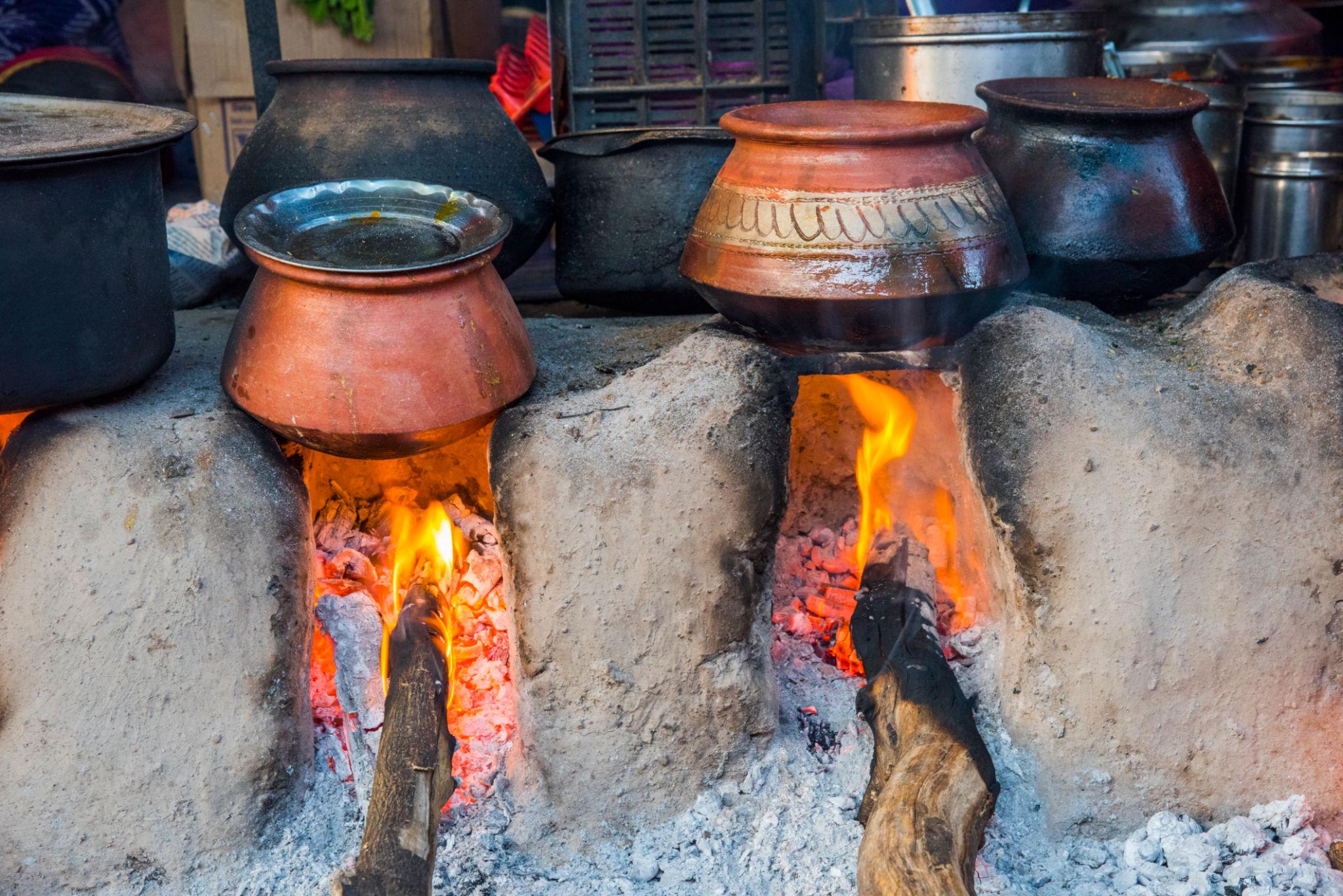
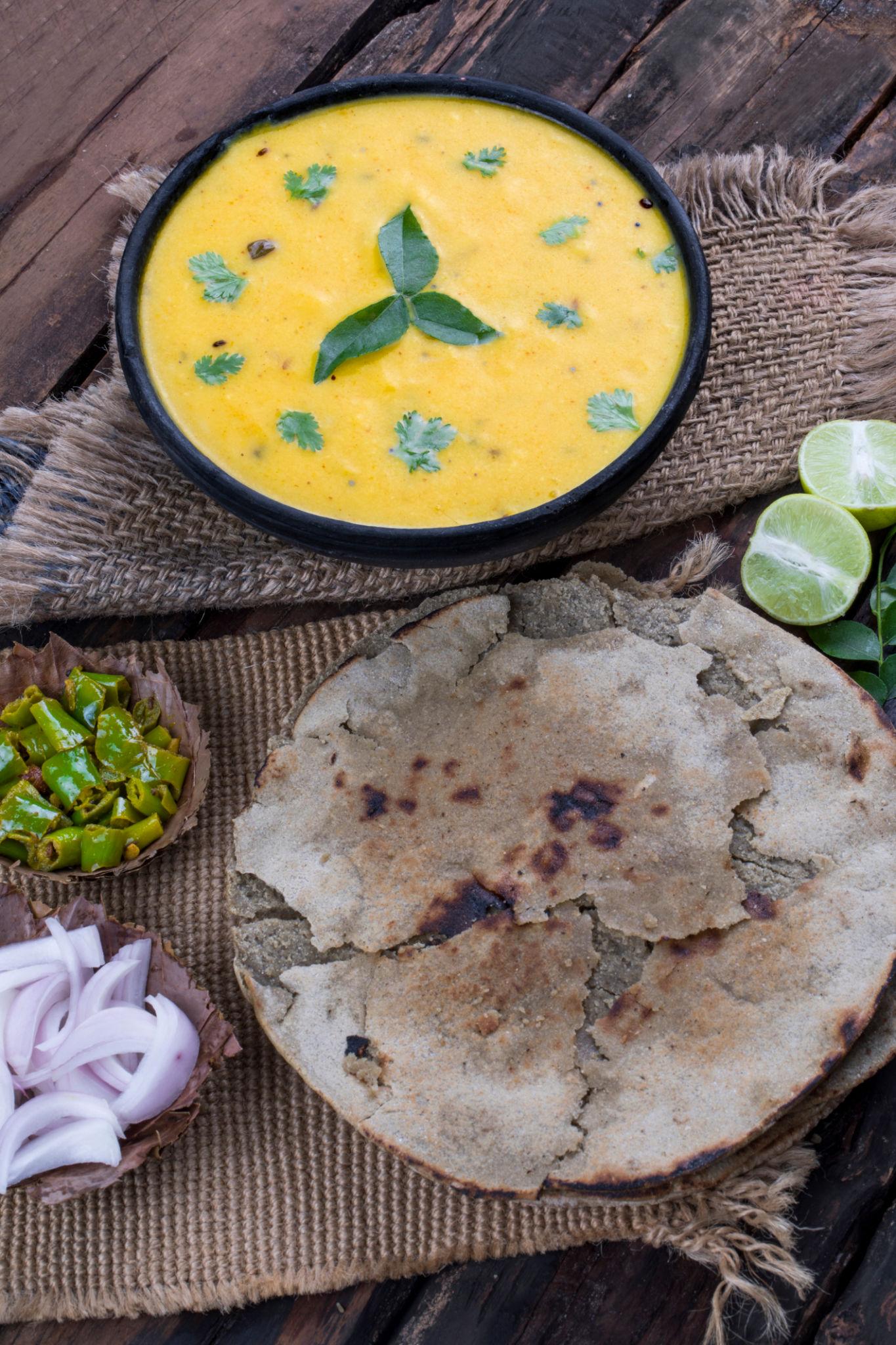
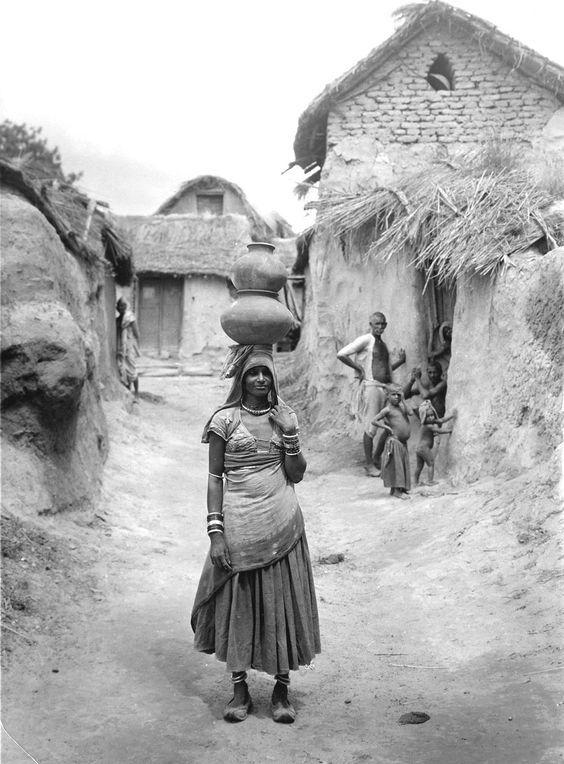
Before supermarkets, processed snacks, instant noodles, and ultra-refined packaged foods became part of daily life, people mostly consumed locally grown grains.
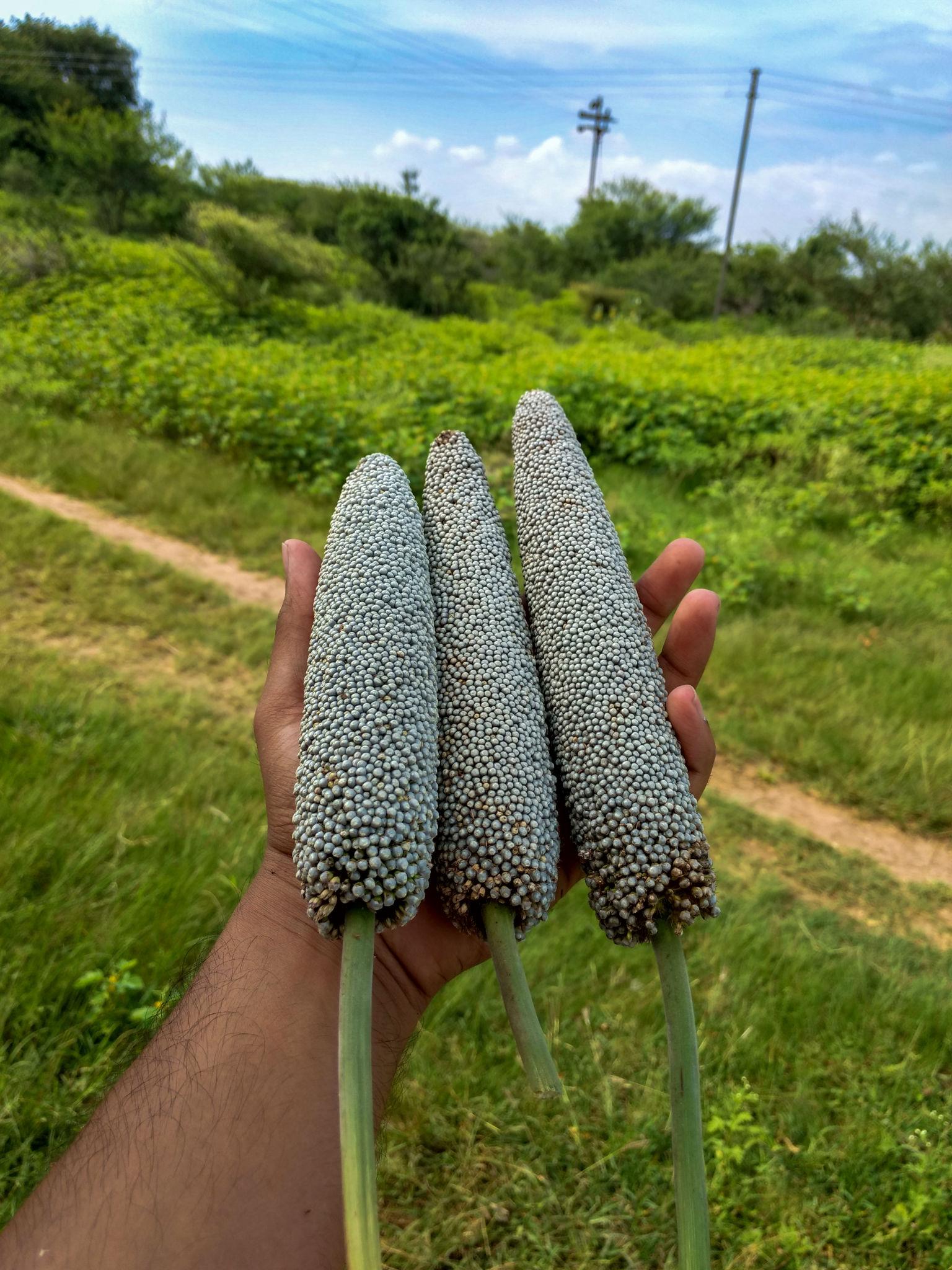
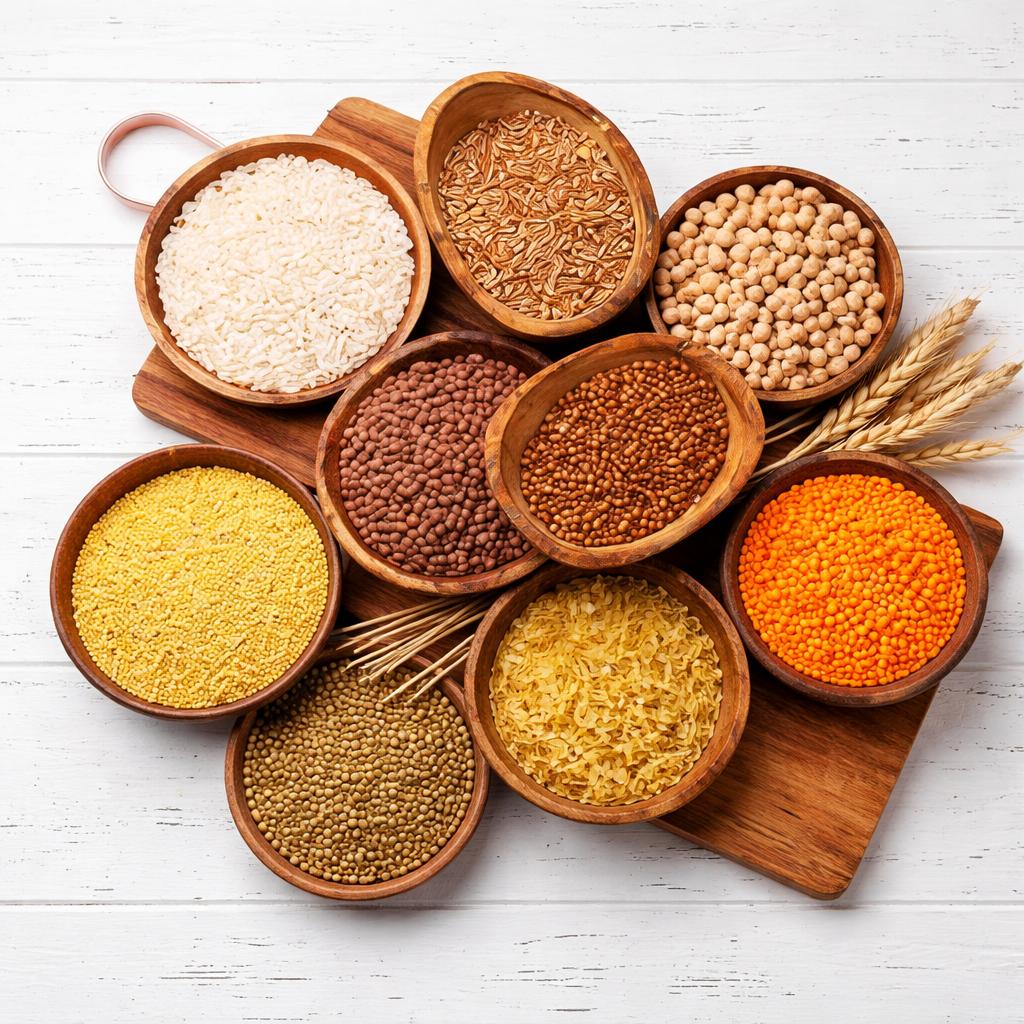
Every region had its own food culture. In dry regions, farmers cultivated bajra. In some areas, jowar became the staple. Ragi was deeply connected to traditional South Indian diets. Small millets were consumed in different forms across villages and farming communities.
People ate what naturally grew around them. And because these grains adapted to local climates, they required fewer resources and survived difficult conditions.
Back then, food was seasonal. Food was local. Food was connected to nature.
The biggest shift came during the Green Revolution. India needed large-scale food production, and rice and wheat became the center of agricultural focus. Governments supported these crops heavily through irrigation systems, subsidies, procurement policies, and farming expansion.
Slowly: Rice became more accessible, Wheat products became commercially dominant, Refined flour entered urban kitchens, Packaged foods became aspirational, Traditional grains lost visibility.
Millets, unfortunately, began to be seen as "poor man's food." Urban lifestyles changed. Fast food replaced slow cooking. Convenience replaced traditional eating habits. And generation by generation, millets quietly disappeared.
At first, modernization looked convenient. But over time, its side effects became visible. Today the world is facing: Lifestyle-related health concerns, Nutritional imbalance, Highly processed diets, Excessive sugar consumption, Fiber deficiency, Environmental stress from agriculture, Water scarcity, Soil degradation.
Modern food systems became fast. But not always balanced. And this is exactly why people started looking back toward traditional grains again.
Millets are returning because they solve problems that modern systems created. They are naturally resilient grains that require far less water compared to many conventional crops. They can grow in dry climates and difficult farming conditions where other crops struggle.
This makes them highly important in today's world where climate change and water scarcity are becoming serious global concerns.
But sustainability is only one side of the story. Millets are also naturally rich in: Fiber, Iron, Calcium, Magnesium, Plant-based nutrition, Essential minerals.
Modern wellness culture is now rediscovering what traditional food systems already understood centuries ago.
One of the biggest changes happening today is perception. Millets are no longer limited to traditional village kitchens.
Today they are being reintroduced through: Healthy breakfast products, Millet flours, Wellness snacks, Functional foods, Lifestyle nutrition products, Fitness-oriented meal plans.
Chefs, nutritionists, wellness brands, and health-conscious consumers are now exploring ways to make millets fit modern lifestyles.
This is not about rejecting modern life. It is about creating balance.
The Millet Mission is not simply about bringing back old grains. It represents something much larger.
It represents: Sustainable agriculture, Smarter food systems, Preventive wellness, Climate-conscious living, Better nutritional awareness, Reconnection with traditional wisdom.
For farmers, millets can support more climate-resilient farming. For consumers, they can become part of healthier eating habits. For the planet, they offer a more sustainable agricultural future.
The modern world is moving fast. People are becoming more conscious about what they eat, where food comes from, and how it impacts both health and the environment.
The return of millets is happening because society is slowly realizing that the future of nutrition may not always lie in highly processed innovations.
Sometimes the future already existed in the past. And perhaps that is what makes millets so powerful. They are ancient. Yet perfectly relevant for the future.
Millets were once part of daily life. Then they disappeared quietly. Now they are returning with purpose. Not as a trend. Not as marketing. But as an answer to many modern challenges.
The Millet Mission is helping people reconnect with nutrition, sustainability, and a slower, more conscious relationship with food.
And maybe that is what we truly need today - not just better food, but a better understanding of food itself.
 Vimaura Assistant