.png)
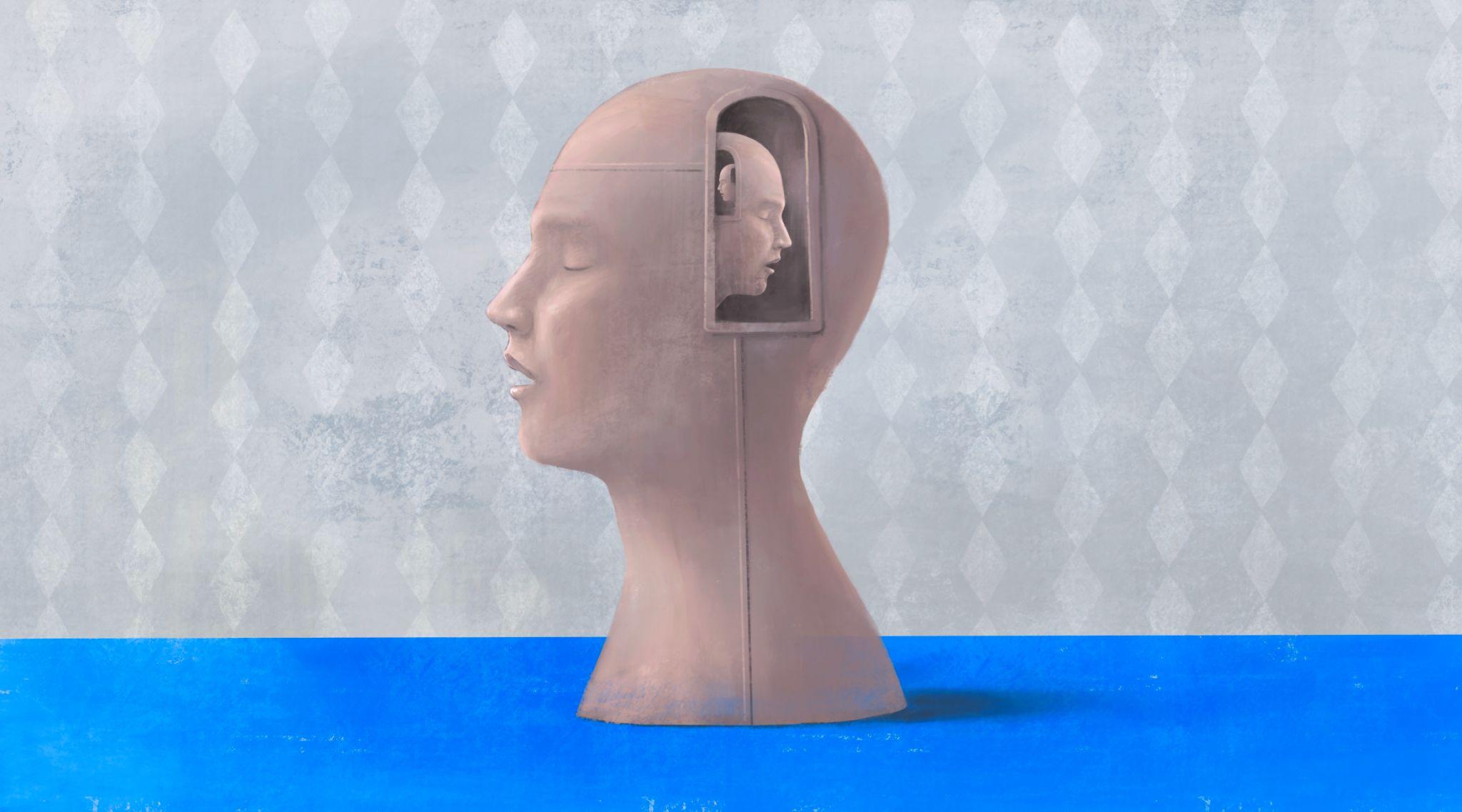

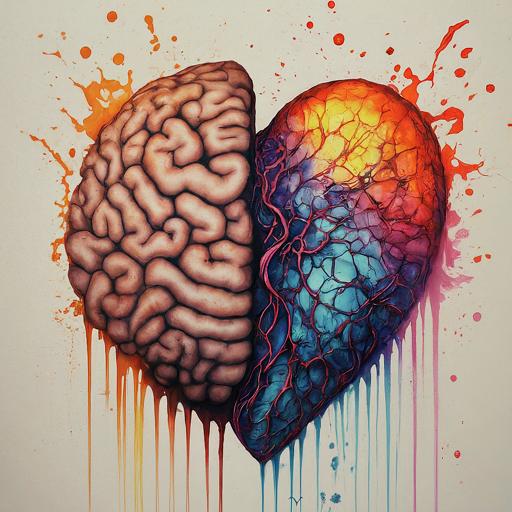
The brain constantly receives and processes information from both the body and the external environment. Every memory, sensation, reaction, movement, and emotional response involves neural activity inside the brain.
It plays a major role in: learning, decision-making, focus, emotional regulation, sleep, memory, physical coordination.
Modern neuroscience continues to study how different regions of the brain influence human behavior and cognitive function.
While the brain can be physically observed and scientifically studied, the mind is experienced internally through awareness and consciousness.
The mind influences: thoughts, emotions, imagination, beliefs, perception, inner dialogue.
It shapes how people experience reality, interpret emotions, respond to situations, and interact with the world around them.
This is why the relationship between mind and brain remains one of the most explored subjects in psychology, neuroscience, philosophy, and spirituality.
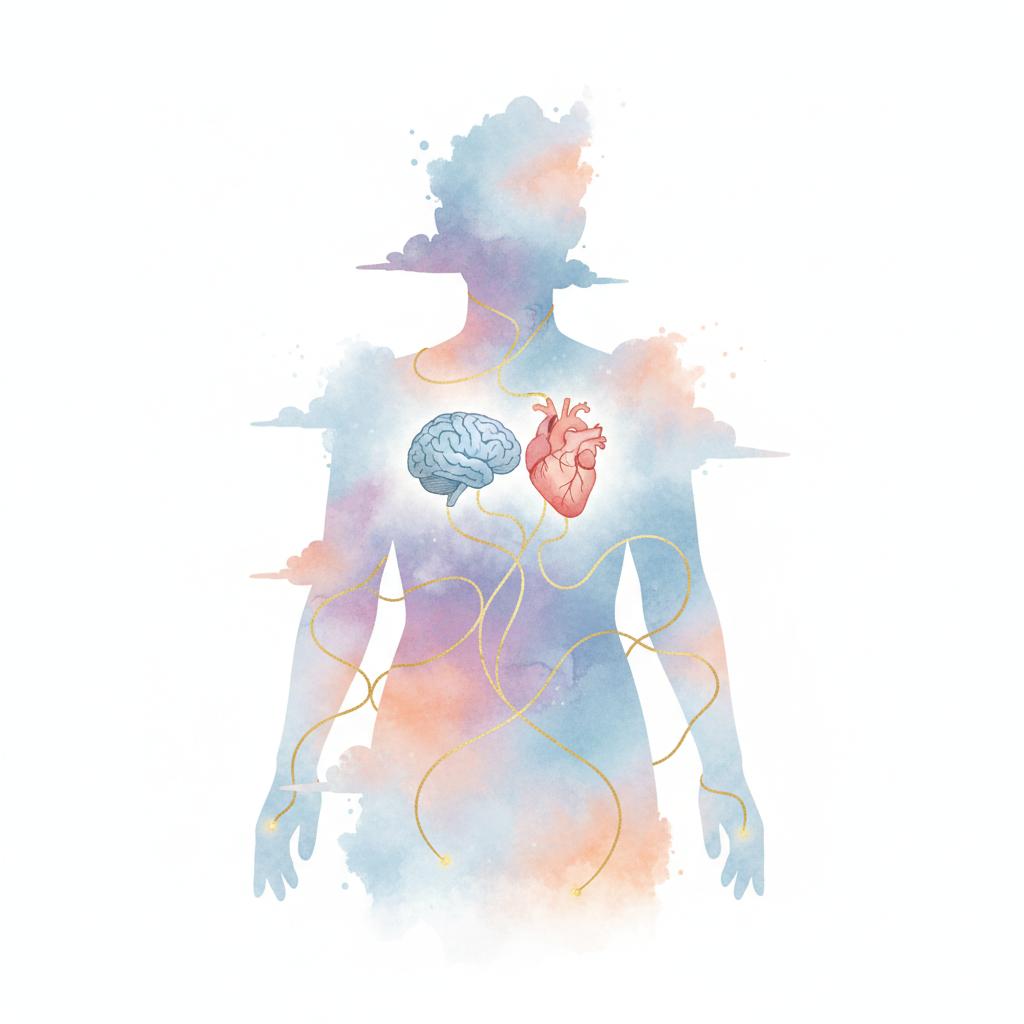
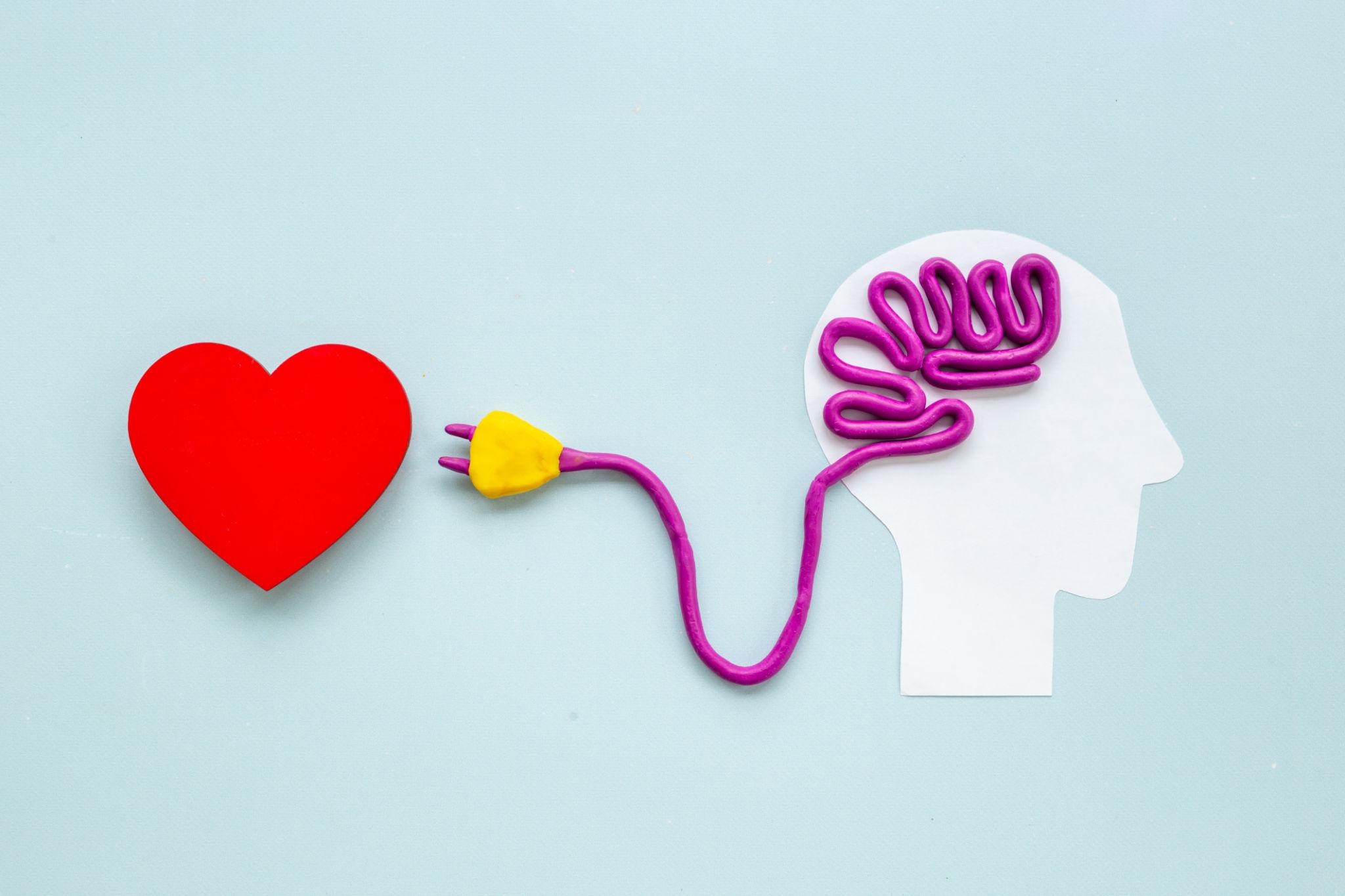
The connection between mind and brain works in both directions. Emotional states, stress levels, thoughts, and mental habits may influence: sleep quality, focus, emotional balance, stress response, physical energy.
Similarly, physical health, nutrition, sleep, and neurological conditions may also affect: mood, concentration, emotional stability, mental clarity.
This interconnected relationship explains why mental wellness and physical wellness cannot truly be separated.
Modern lifestyles have significantly increased mental stimulation and emotional pressure. Constant screen exposure, social media, work stress, irregular sleep, and overstimulation can gradually affect both mental and neurological balance.
As a result, practices such as: mindfulness, meditation, yoga, breathing exercises, proper sleep, balanced routines are becoming increasingly important in supporting healthier mind-body balance.
For many years, physical health received greater attention than emotional or psychological well-being. Today, however, awareness around mental wellness is growing rapidly.
A healthier relationship between mind and brain may support: emotional resilience, better decision-making, improved focus, healthier relationships, overall quality of life.
Modern wellness is increasingly recognizing that true health involves both mental and physical balance together.
The relationship between the mind and the brain remains one of the most remarkable aspects of human existence. One is biological. The other is experiential.
Yet together they shape thoughts, emotions, behavior, awareness, and the way people experience life itself.
Perhaps this is why true wellness cannot be understood through the body alone - because human well-being ultimately begins from the connection between the brain, the mind, and inner awareness together.
 Vimaura Assistant