.png)
The word "Chakra" comes from Sanskrit and translates to: "Wheel" or "Energy Disc"
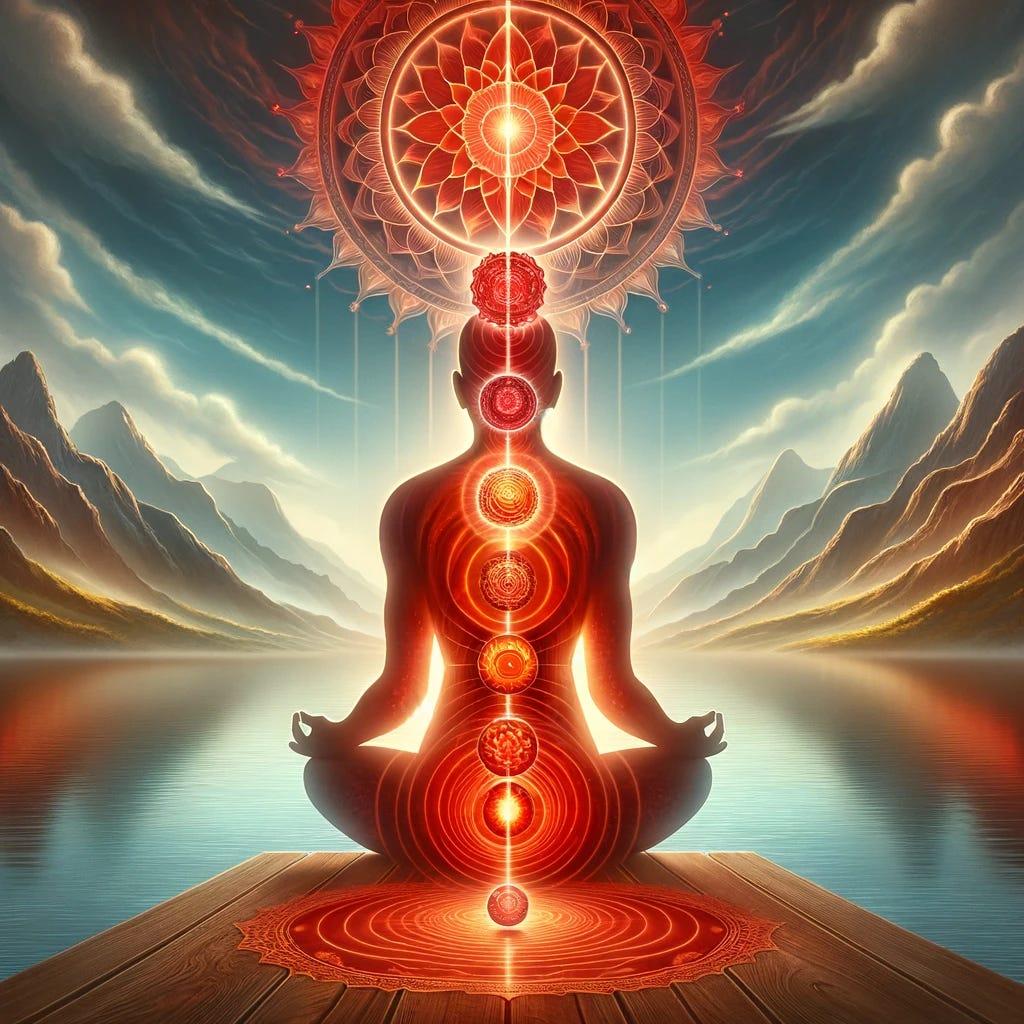
According to traditional yogic philosophy, chakras are believed to be spinning centers of energy located throughout the body. These energy points are thought to influence physical, emotional, mental, and spiritual well-being.
The chakra system describes how energy flows through the body and how imbalance within these centers may affect overall harmony.
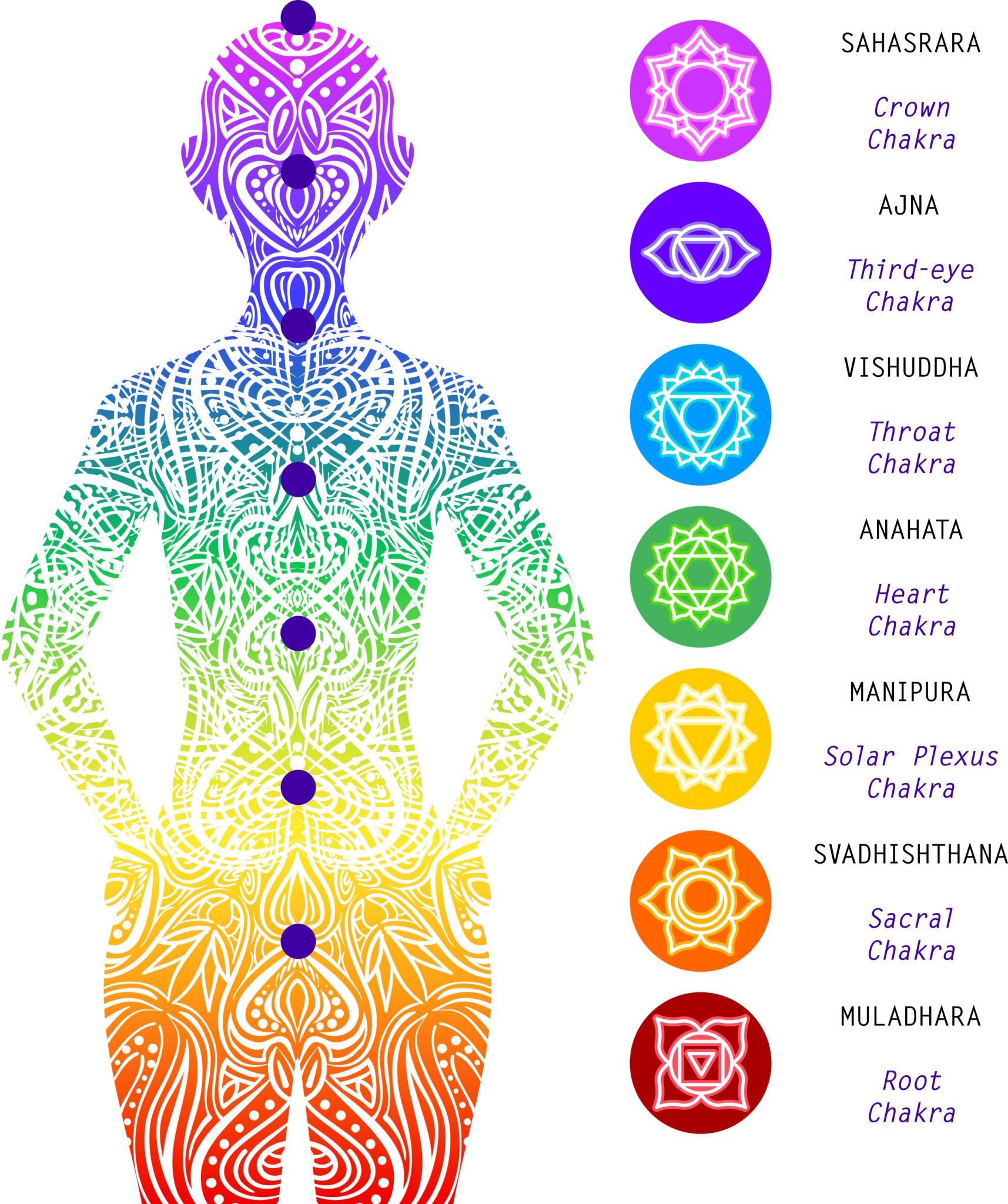
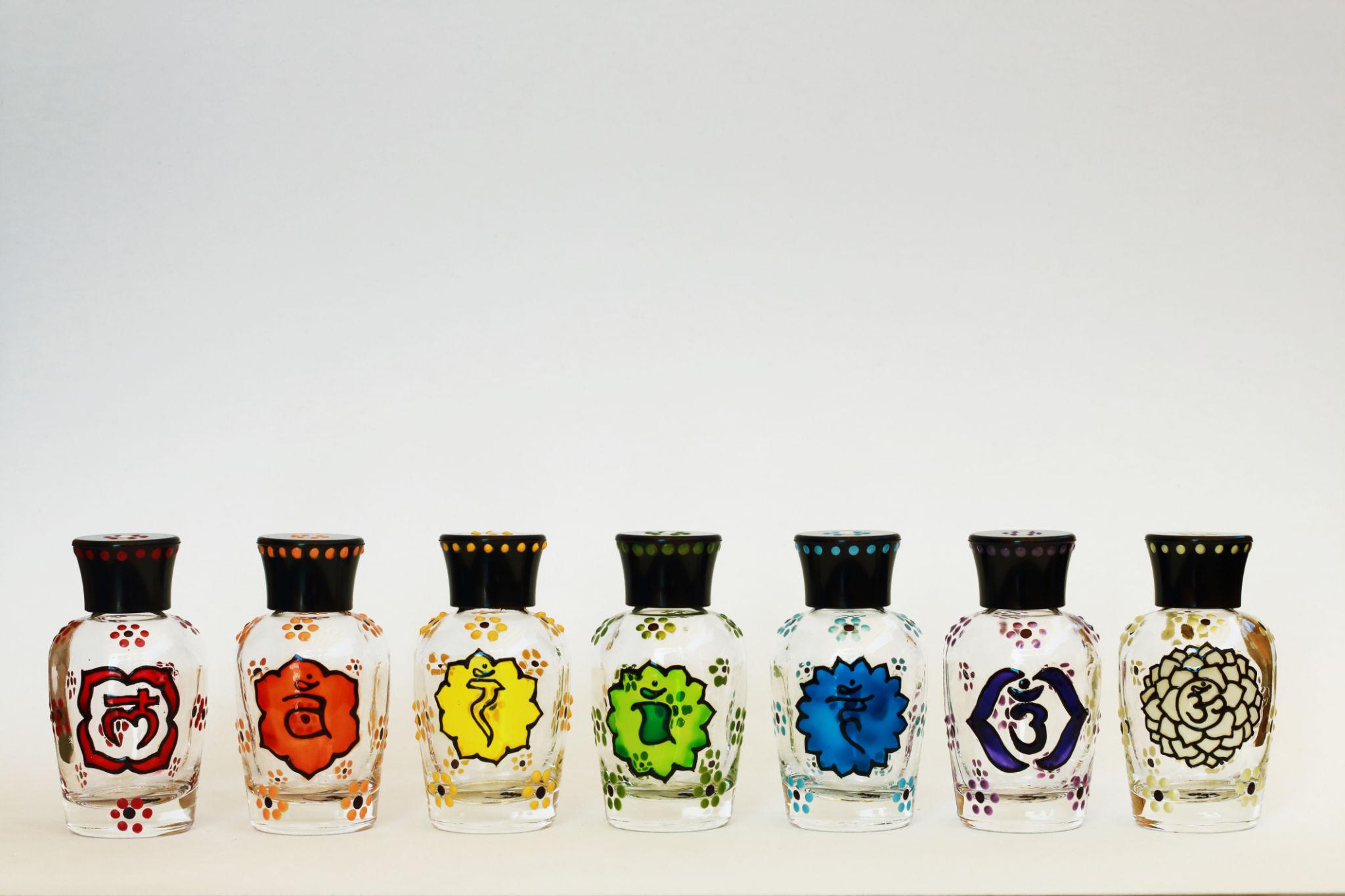
There are many chakras described in ancient texts, but the 7 primary chakras are considered the central energy system of the body.
Location: Base of the spine
Associated With: Stability, Safety, Survival, Grounding, Security
The Root Chakra is considered the foundation of the chakra system. It is associated with basic human needs such as food, shelter, safety, and emotional grounding.
When balanced, individuals may feel: secure, stable, connected, emotionally grounded.
An imbalance is traditionally believed to contribute to fear, insecurity, or emotional instability.
Symbolic Color: Red
Location: Lower abdomen
Associated With: Creativity, Emotions, Relationships, Pleasure, Self-expression
The Sacral Chakra is linked to emotional flow, creativity, and connection with others. This chakra is traditionally associated with: passion, imagination, emotional balance, creative energy.
Symbolic Color: Orange
Location: Upper abdomen
Associated With: Confidence, Personal power, Motivation, Self-esteem, Inner strength
The Solar Plexus Chakra is considered the center of personal identity and willpower. When balanced, it is believed to support: confidence, determination, discipline, clarity.
Symbolic Color: Yellow
Location: Center of the chest
Associated With: Love, Compassion, Forgiveness, Emotional healing, Connection
The Heart Chakra represents emotional openness and human connection. It is often associated with: empathy, kindness, trust, emotional balance.
Traditional wellness systems view this chakra as the bridge between physical and spiritual energy.
Symbolic Color: Green
Location: Throat region
Associated With: Communication, Truth, Expression, Authenticity
The Throat Chakra is connected with speaking honestly and expressing thoughts clearly. A balanced throat chakra is believed to support: confidence in communication, truthful expression, clarity in conversation.
Symbolic Color: Blue
Location: Between the eyebrows
Associated With: Intuition, Awareness, Wisdom, Inner clarity, Perception
The Third Eye Chakra is traditionally linked with intuition and mental insight. It is often associated with: mindfulness, deeper awareness, imagination, spiritual understanding.
Symbolic Color: Indigo
Location: Top of the head
Associated With: Consciousness, Spiritual connection, Inner peace, Higher awareness
The Crown Chakra is considered the highest energy center within the chakra system. It is symbolically connected with: spiritual growth, wisdom, universal connection, deep inner calm.
Symbolic Color: Violet or White
In modern wellness culture, chakra concepts are commonly explored through: meditation, yoga, mindfulness, breathing exercises, sound healing, energy-based wellness practices.
While interpretations vary across traditions and individuals, many people use chakra philosophy as a framework for emotional awareness, self-reflection, and inner balance.
The continued popularity of chakra philosophy reflects a growing global interest in: holistic wellness, mind-body connection, emotional balance, spiritual exploration, preventive wellness practices.
In a world increasingly focused on mental health and self-awareness, ancient systems like the chakra model continue to offer symbolic and philosophical guidance for personal well-being.
The concept of the 7 chakras represents far more than ancient spiritual symbolism. It reflects humanity's long-standing attempt to understand the relationship between physical health, emotional balance, inner awareness, and overall well-being.
Whether viewed spiritually, philosophically, or as part of mindfulness practices, the chakra system continues to inspire millions of people seeking greater balance in modern life.
And perhaps that is why these ancient teachings remain relevant even today: because the search for balance, peace, and inner harmony is timeless.
 Vimaura Assistant