.png)

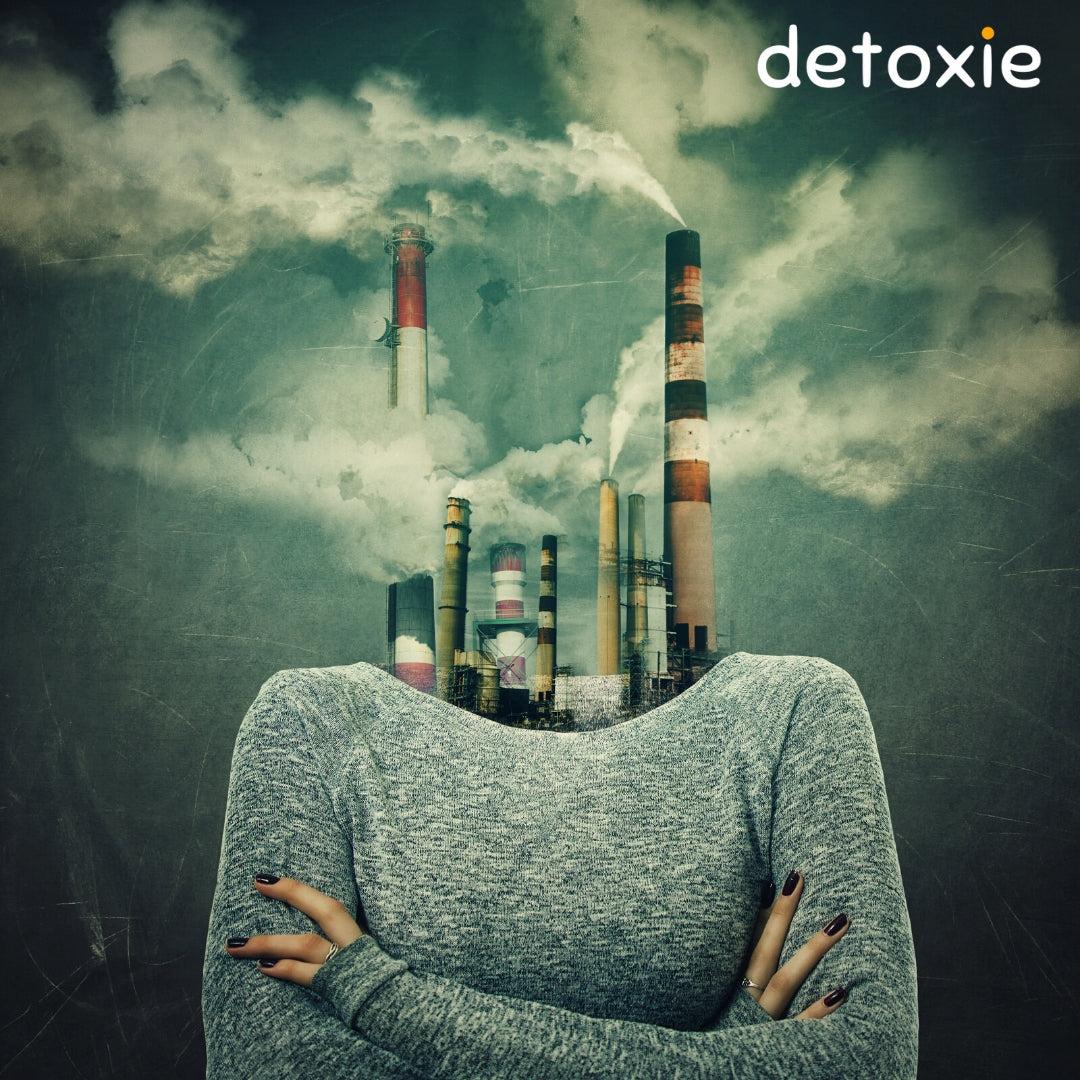
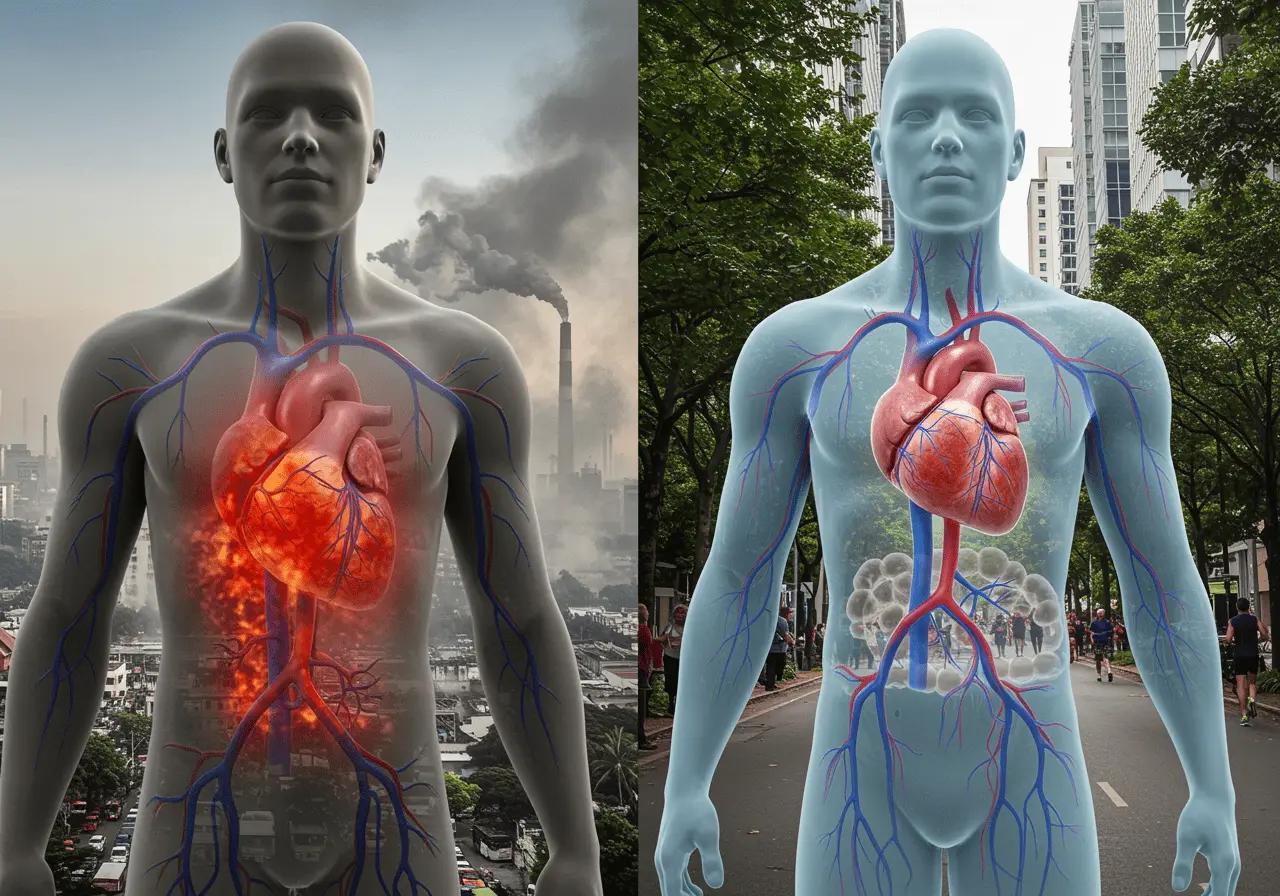

The modern environment exposes people to chemicals through multiple sources, including: Processed foods, Artificial additives, Excessive preservatives, Air pollution, Synthetic fragrances, Household cleaning products, Plastic packaging, Cosmetic and personal care products.
Not all chemicals are harmful, and many are essential in medicine, healthcare, and manufacturing. However, increasing dependence on highly processed and heavily synthetic environments has raised concerns about long-term exposure and overall wellness.
The human body constantly interacts with external substances through: Skin absorption, Breathing, Digestion, Environmental contact.
Over time, excessive exposure to certain harsh or low-quality synthetic ingredients may contribute to: Skin sensitivity, Dryness & irritation, Respiratory discomfort, Lifestyle-related stress on the body, Environmental toxicity concerns.
This is one reason why many consumers are now shifting toward cleaner and more mindful lifestyle choices.
Traditional lifestyles were generally more connected to: Fresh foods, Natural ingredients, Seasonal eating, Simpler formulations, Lower environmental exposure.
Modern lifestyles, on the other hand, often prioritize speed, shelf life, appearance, and convenience.
As awareness increases, people are now becoming more interested in: Clean-label products, Naturally inspired wellness, Minimal ingredient formulations, Skin-friendly alternatives, Sustainable lifestyle choices.
The focus is gradually moving from "more products" to "better ingredients."
The skin is the body's largest organ and acts as a protective barrier between the body and the external environment. This is why ingredient awareness in skincare, wellness, and lifestyle products has become increasingly important.
Consumers today are actively reading labels and seeking products that prioritize: Naturally derived ingredients, Gentle formulations, Transparency, Wellness-focused development, Long-term skin compatibility.
The goal is no longer only cosmetic appearance - it is overall wellness support.
The discussion around chemicals is also connected to sustainability. Excessive chemical dependency in industries and daily life can influence: Water quality, Soil health, Air quality, Ecological balance.
This is why conversations around wellness today are increasingly connected with environmental responsibility as well.
Healthy living is no longer viewed only at the personal level - it is also linked to the health of the environment itself.
Modern consumers are becoming more intentional about: What they eat, What they apply on their body, What they consume daily, How products are formulated, How ingredients are sourced.
This growing awareness is driving demand for: Cleaner wellness products, Naturally inspired formulations, Sustainable alternatives, Preventive lifestyle practices.
The future of wellness is becoming more conscious, informed, and ingredient-aware.
Chemicals are an unavoidable part of modern life, but growing awareness is helping people make more mindful choices about their lifestyles, wellness routines, and daily consumption habits.
The conversation today is not about avoiding science or innovation - it is about balance, safety, transparency, and conscious living.
As people become more aware of how modern environments influence long-term wellness, the importance of cleaner lifestyles, skin-friendly formulations, and wellness-focused choices will continue to grow.
Because sometimes, protecting wellness begins not with dramatic change - but with becoming more aware of what surrounds us every day.
 Vimaura Assistant